Events
4MIN
8/9/2026
On September 2–3, Kyiv hosted Ukraine ReHealth 2026, an international conference dedicated to the recovery, transformation, and development of Ukraine’s healthcare system. Current challenges, the development pathway, and future recovery processes for Ukraine’s healthcare system were discussed.
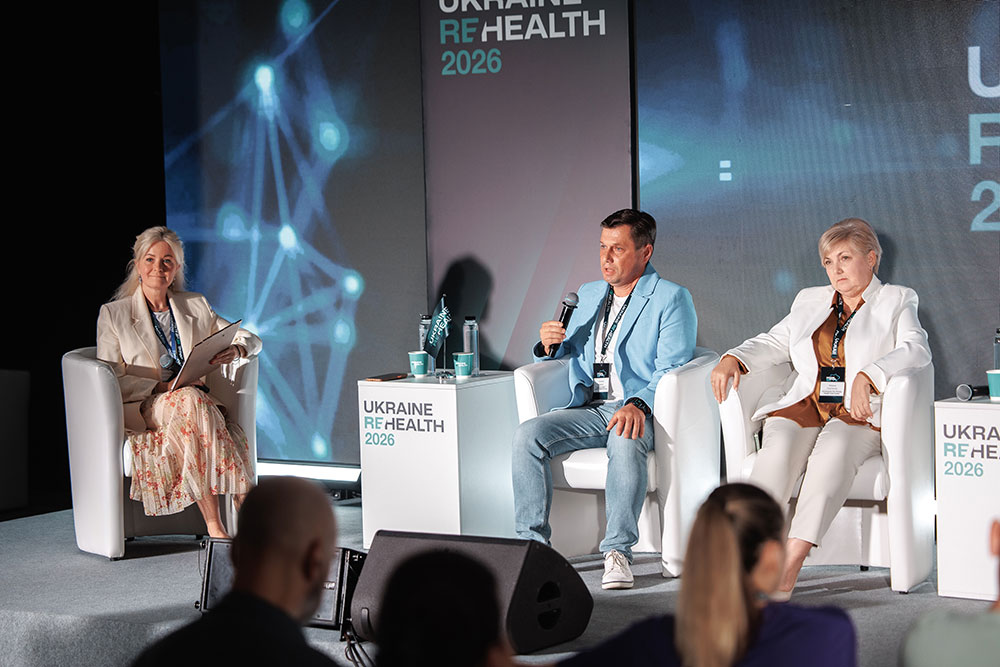
Ukrainian healthcare professionals, representatives of government institutions, charitable foundations, civil society organizations, and businesses, along with international partners from several European countries, joined the discussion on current challenges, the development pathway, and future recovery processes for Ukraine’s healthcare system.
Over the two days of the conference, participants had the opportunity to join 10 panels covering topics ranging from building sustainable hospitals of the future to international partnerships in healthcare, the level of preparedness of Ukrainian healthcare facilities for crises and shelling, the challenges facing facilities in frontline regions, and more.
“How can a Ukrainian understand that, after four years of war, everything is going well with our healthcare system? Look at the fact that we have public hospitals at all. Consider how much has been invested in equipment, hospitals, and training people, as well as in changing laws and regulations to ensure that public hospitals can operate. And this cannot be taken away anymore. Ukrainians will not allow the National Health Service of Ukraine (NHSU) to be taken away. Or the logic of how healthcare services are paid for. As well as transparent procurement. In my personal opinion, since the Revolution of Dignity, two reforms have survived to this day: healthcare reform and public procurement reform. And this says a lot about the viability of Ukrainian healthcare and the tremendous efforts of the people involved in it,” shared Edem Adamanov, Director of the State Expert Center of the Ministry of Health of Ukraine.
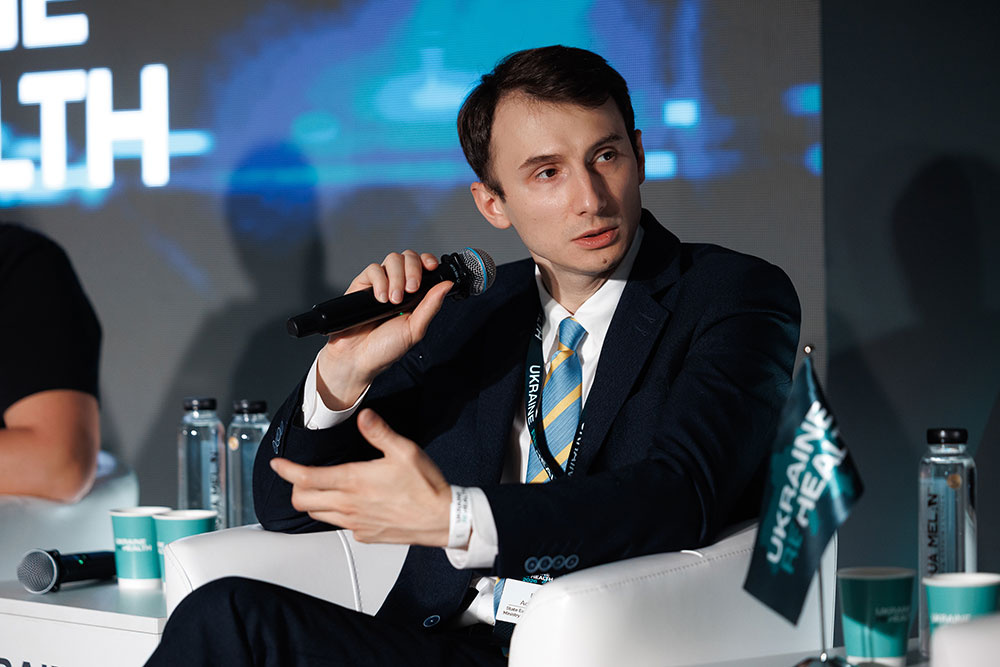
For security reasons, the main activities of the event took place in a shelter. However, this only added to the atmosphere of the speakers’ presentations, highlighted the importance of international support, and strengthened European partners’ desire to contribute to the development and recovery of Ukraine’s healthcare system.
In particular, representatives of foreign delegations shared their thoughts with the ZDOROVI team on which achievements and practices from their countries could be useful for the development and recovery of Ukraine’s healthcare system.
“Sweden can provide Ukraine with a quite well-structured system for quality development. We have well-developed clinical quality registers and structured guidelines that have helped us develop our own healthcare system. Basically, if you collect data from hospitals and directly from doctors, pile it up, and analyze it, you can see that one facility is more efficient than another because they have better procedures. Publish all this data openly, so everyone can find and study this information, and this can help the healthcare system develop more successfully,” explains Niclas Jacobson, Head of International Affairs at the National Board of Health and Welfare.
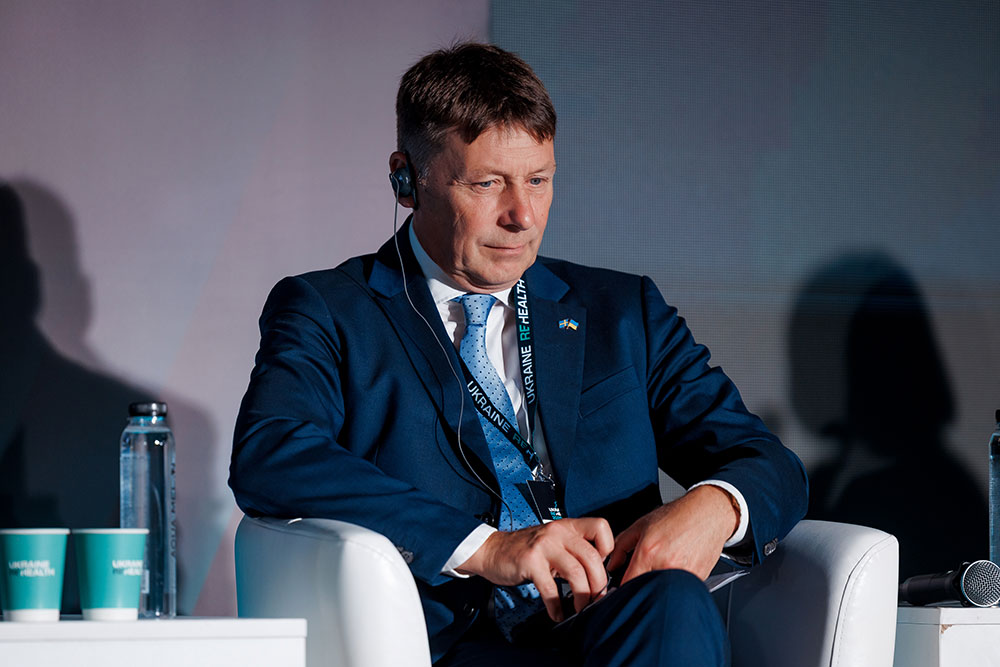
The Ukraine ReHealth 2026 conference created an opportunity for meaningful collaboration between representatives of Ukrainian hospitals and civil society organizations and international partners, donors, and healthcare businesses.
Among the largest European delegations were those from Sweden and the Czech Republic — countries involved in major projects supporting Ukraine’s healthcare sector.
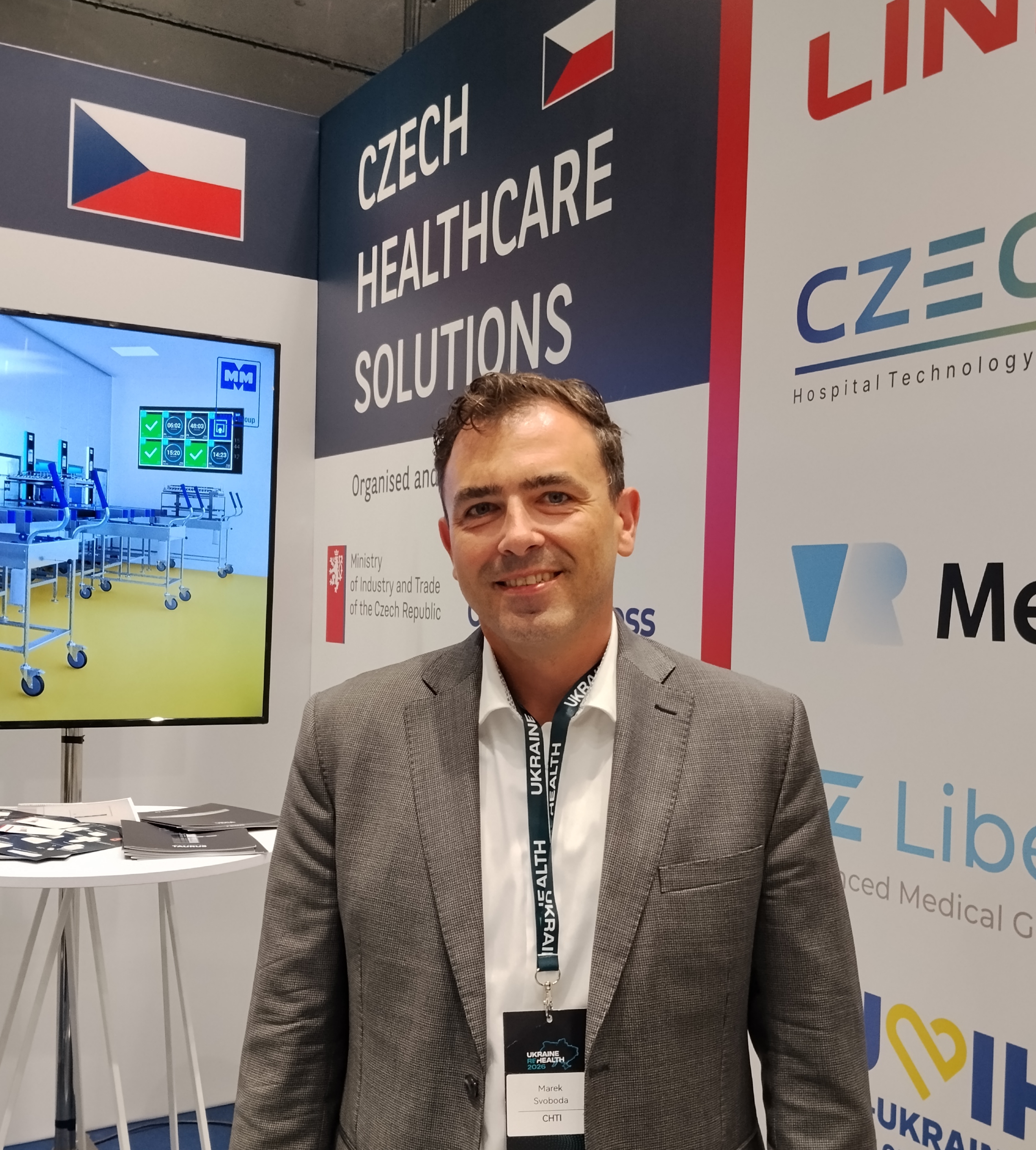
“The biggest project we are working on right now, and for which we are launching a new phase on January 1, 2027, is the Ukraine Facility program, which is funded by the Czech government and the European Commission. The first phase comprises six hospitals, but we hope to extend it to other phases. This project applies not only to Czech companies but to European industry as well. And it is not just about deliveries; it is a complex project that includes training, the exchange of practices, and many other activities. I consider the Ukraine Facility program to be mutually beneficial both for European countries and for Ukraine,” shared Marek Svoboda, Chief Executive Officer at Czech Health Technology Institute.
ZDOROVI Officially Presented the Association of Frontline Hospitals to International Partners
As part of Ukraine ReHealth 2026, the ZDOROVI team officially presented the Association of Frontline Hospitals to international partners for the first time. This is the officially registered legal entity that represents and defends the interests of healthcare facilities operating in frontline, de-occupied, and war-affected territories of Ukraine. The organization is currently preparing to sign memoranda of cooperation with its first partners.
The Swedish delegation — including representatives of the Swedish healthcare business community, non-profit organizations, and ZDOROVI partners with whom we are jointly implementing several projects to support Ukraine’s healthcare sector — was the first among the international community to learn about the Association’s plans, specific areas of work, functions, and needs.
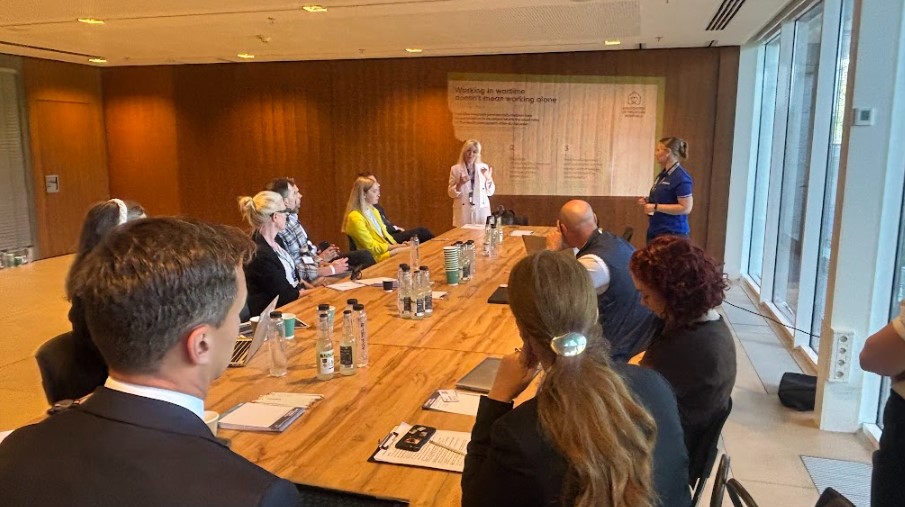
The ZDOROVI team saw strong interest in the Association of Frontline Hospitals from both Ukrainian healthcare facilities — we have already received more than 60 applications to join the Association — and Swedish partners. This once again confirmed how timely the establishment of such an association is for advocating for the needs of Ukrainian hospitals.
In response to questions from the Swedish side, ZDOROVI confirmed that all administrative and other team-related expenses would be covered from other sources, while funds raised to support the Association of Frontline Hospitals would be used exclusively for their intended purpose. This model for the Association’s development received the support and approval of our Swedish colleagues.
The main functions of the Association were also discussed, including:
- strengthening the capacity of hospitals through the procurement of equipment and medicines, educational programs, internships, knowledge exchange, and other activities;
- advocating for the shared interests of frontline hospitals;
- collecting, analyzing, and studying data on the actual condition and needs of healthcare facilities to ensure that support decisions are evidence-based;
- developing and supporting medical teams;
- providing targeted assistance through the Medical Workers Support Fund to those directly affected by the war or in need of specific support.
“The Association of Frontline Hospitals can advocate for its rights before the government and international partners. At all the platforms where ZDOROVI is represented today, the needs of the communities and hospitals that will become partners of the Association will be voiced tomorrow,” added Nataliia Tulinova, Foundress and CEO of ZDOROVI.

Learn more about the Association of Frontline Hospitals and submit an application to join here.
Workshop “Practical Fundraising for the Healthcare System”
The ZDOROVI National Agency for Humanitarian Aid contributed to Ukraine ReHealth 2026 in several areas. Among other activities, Nataliia Tulinova conducted a practical workshop for representatives of healthcare facilities, regional health departments, and charitable organizations on successfully raising funds to address healthcare needs.
The speaker shared practical fundraising experience, highlighted common mistakes in preparing grant applications, and provided advice on less obvious potential partners — including within the UN system — that can be approached for financial support.
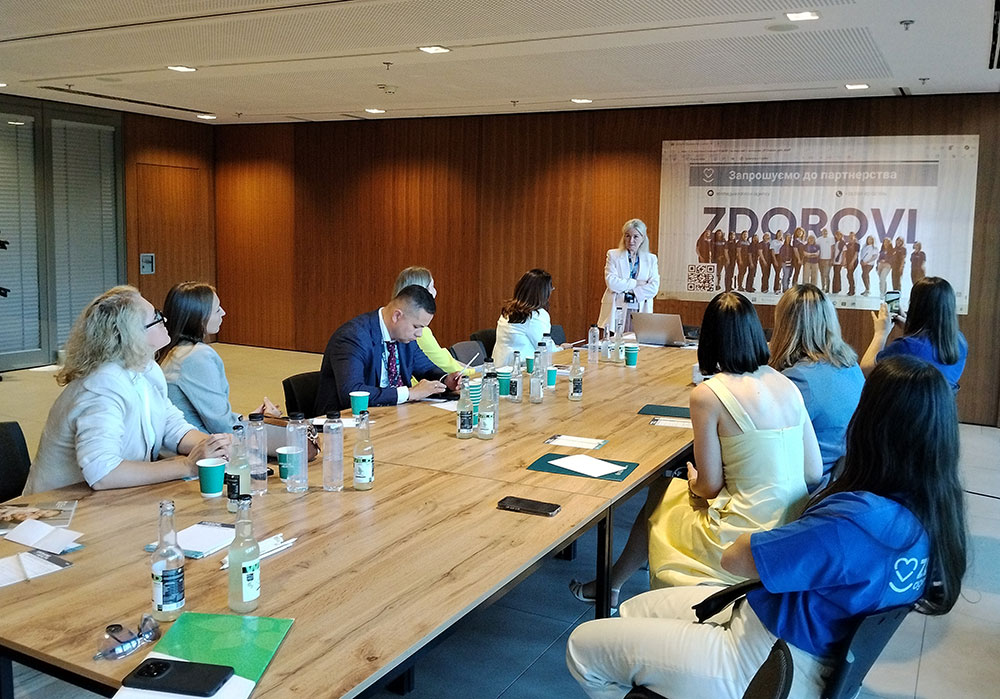
Nataliia Tulinova emphasized that healthcare is currently a priority area for donors, while the localization principle creates opportunities for local communities and healthcare facilities to receive international support. According to Nataliia, recovery and rebuild programs are particularly relevant today.
The workshop also addressed transparency and donor trust in grant recipients, as well as the importance of high-quality reporting, which can lay the groundwork for renewed cooperation with a partner. For healthcare facilities, it is important to establish long-term cooperation and secure systematic donor support.
Moderating a Panel on Strengthening the Capacity of Ukraine’s Frontline Healthcare System
Nataliia Tulinova also moderated the panel “International Partnerships to Strengthen Healthcare in Ukraine’s Frontline Regions,” dedicated to the experience of Ukraine’s frontline regions and the specific challenges their healthcare systems are addressing today.
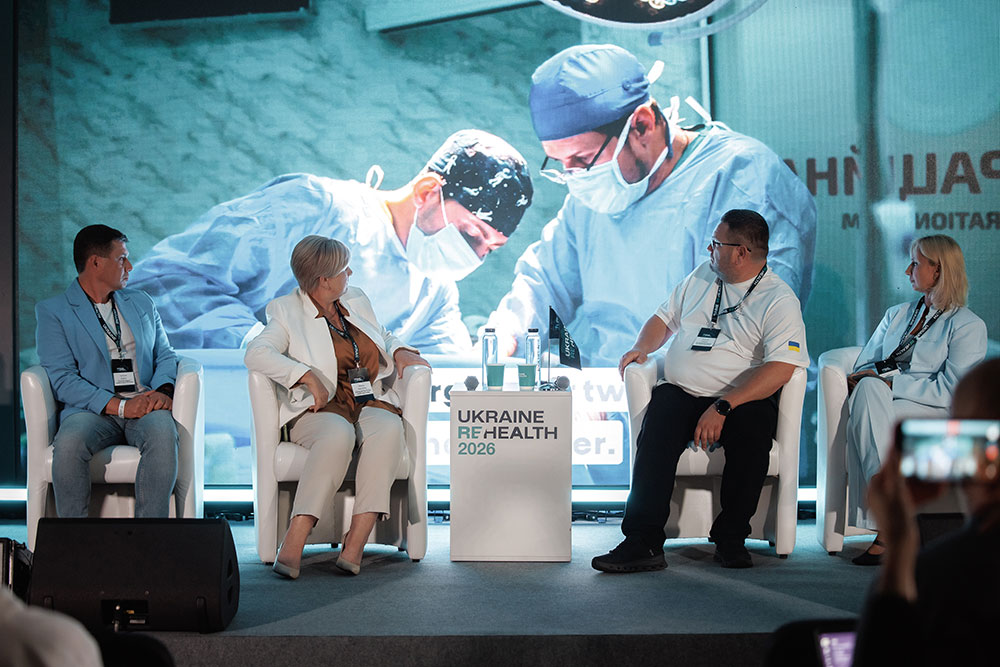
Representatives of five Ukrainian regions — the Dnipropetrovsk, Sumy, Mykolaiv, Zaporizhzhia, and Odesa regions — presented their experience, needs, and practical solutions, and shared their vision of how international partners can help scale these solutions and strengthen the capacity of frontline healthcare.
The discussion covered attacks on healthcare facilities and situations in which staff are forced to choose between providing urgent medical care to patients and ensuring their own safety. This is particularly relevant given that Ukraine has opened 220 underground schools, but only one officially recognized underground hospital. Other pressing topics included developing local communities and healthcare teams amid constant danger; recovery and rebuilding, which are already a reality rather than a prospect for these regions; the role of the international community in strengthening the capacity of healthcare facilities in frontline regions; and other critical issues.
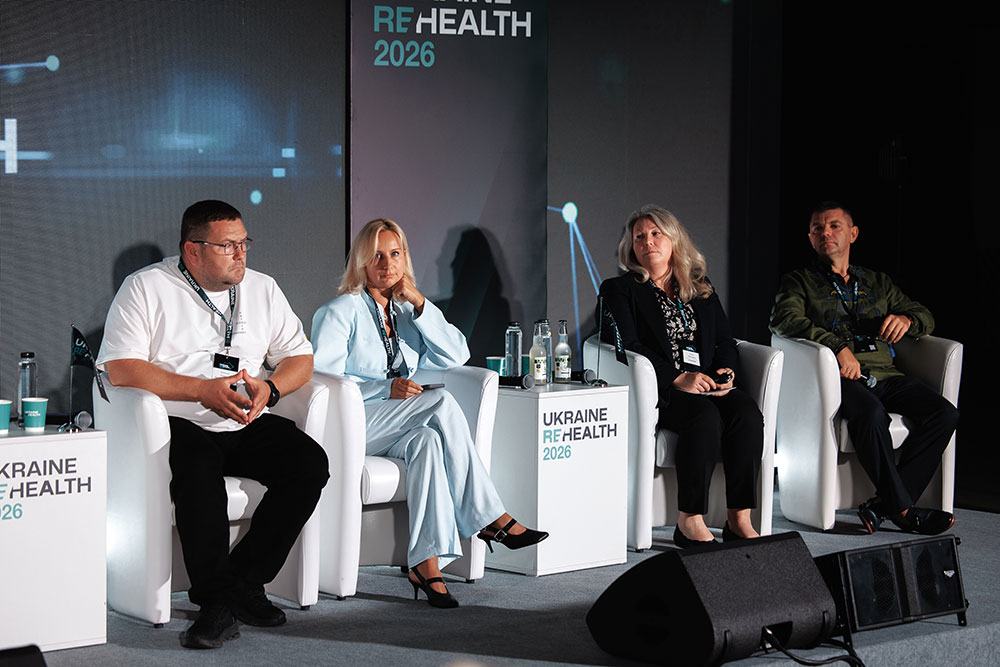
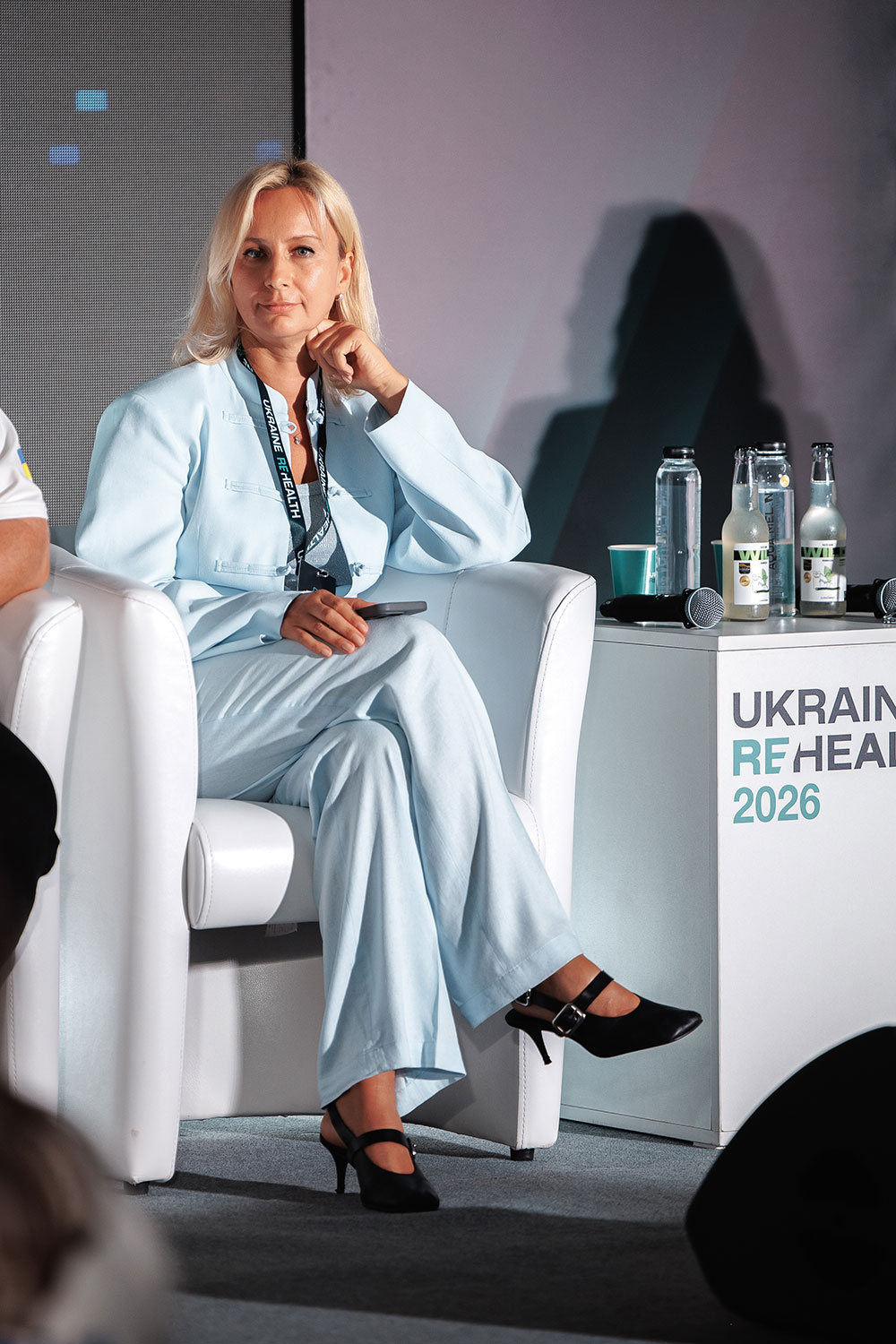
In particular, Olena Kolodenko, Head of the Odesa City Council Health Department, raised the important issue of a shift in the model of cooperation between Ukrainian healthcare facilities and international partners — from the targeted humanitarian assistance that had been critically needed since 2022 to the systematic and multifaceted support that the healthcare sector has moved toward today.
“Today, for us, working with international partners is not simply about humanitarian assistance — it is about partnership. And already this year, despite the war, we have had the opportunity to open a new therapeutic department; we are completing the equipping of a mental health center, and we are purchasing new equipment. Most importantly, we are moving away from one-off humanitarian assistance to our facilities in favor of building partnerships that strengthen the resilience of our hospitals,” shared Olena Kolodenko.
© 2026 zdorovi. all rights reserved.
контакти
strategy@zdorovi.agency
+380508000924 - контакт-центр фонду
Адреса: 01014, м. Київ, вул. Звіринецька, 63, офіс 1
website by WHYER.AGENCY