Events
2MIN
26/11/2025
On 24 November 2025, a round table discussion entitled ‘The Personnel Crisis in Neonatology and Ways to Overcome It’ was held in Kyiv. The event brought together leading Ukrainian experts to discuss a problem that has long gone beyond the scope of a personnel shortage and has become a matter of national security for the health of newborns.
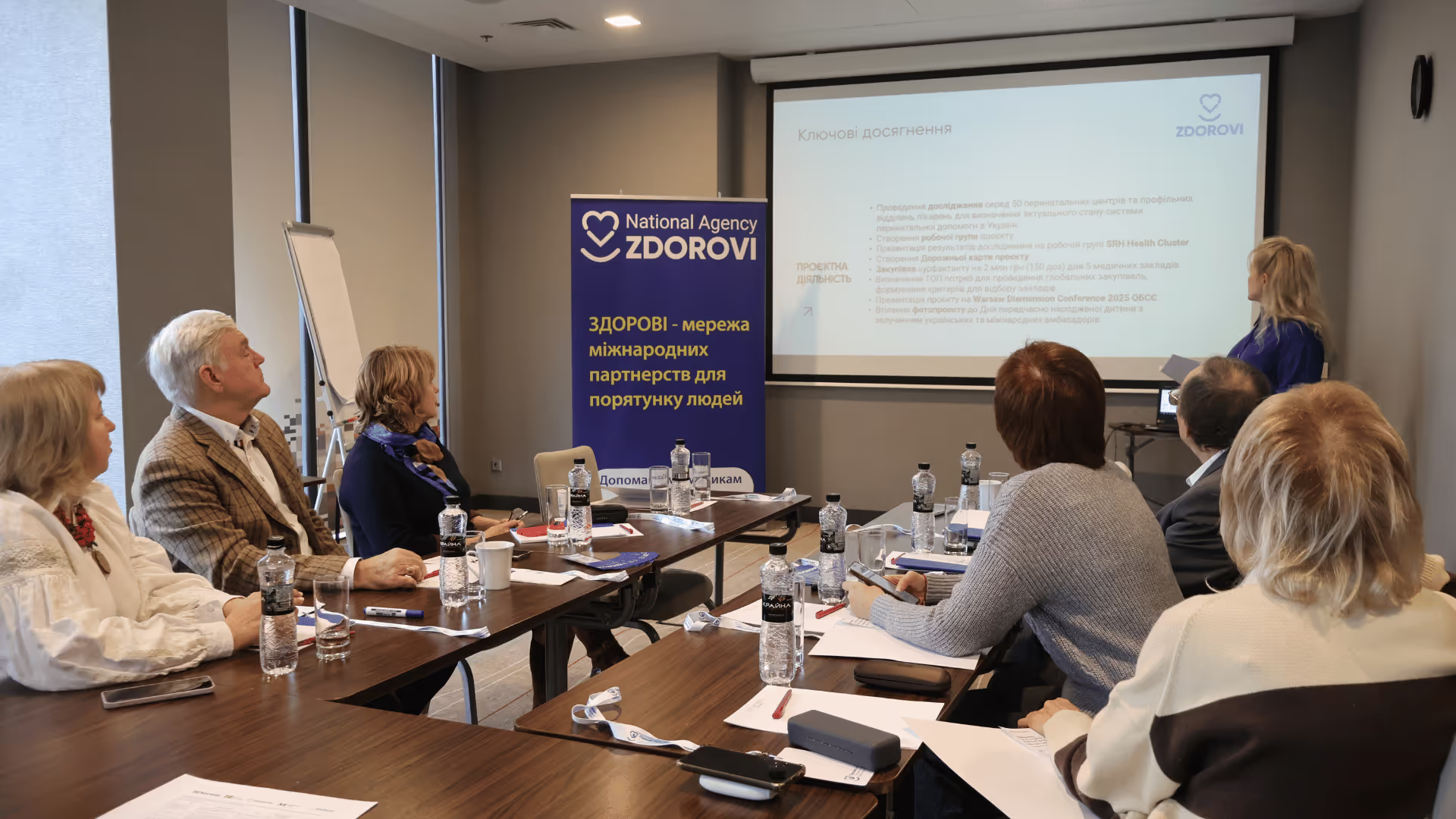
The event was organised by the ZDOROVI Charitable Foundation as part of the First Breath programme.
Unlike many professional discussions, this meeting did not limit itself to listing problems – after all, in neonatology, the cost of mistakes is often measured in lives that have just begun. The Ukrainian system today faces a complex combination of challenges: an outflow of trained personnel, a critical shortage of neonatal nurses in intensive care units (according to estimates by specialists in the field, up to 40%, and in some cases 50%), as well as the almost complete absence of systematic postgraduate education for nurses who work with newborns in the most critical moments and hours of their lives. Therefore, the main question of the meeting was direct: who stands at the incubator, what skills does this person have, and are they ready to act in emergency situations?
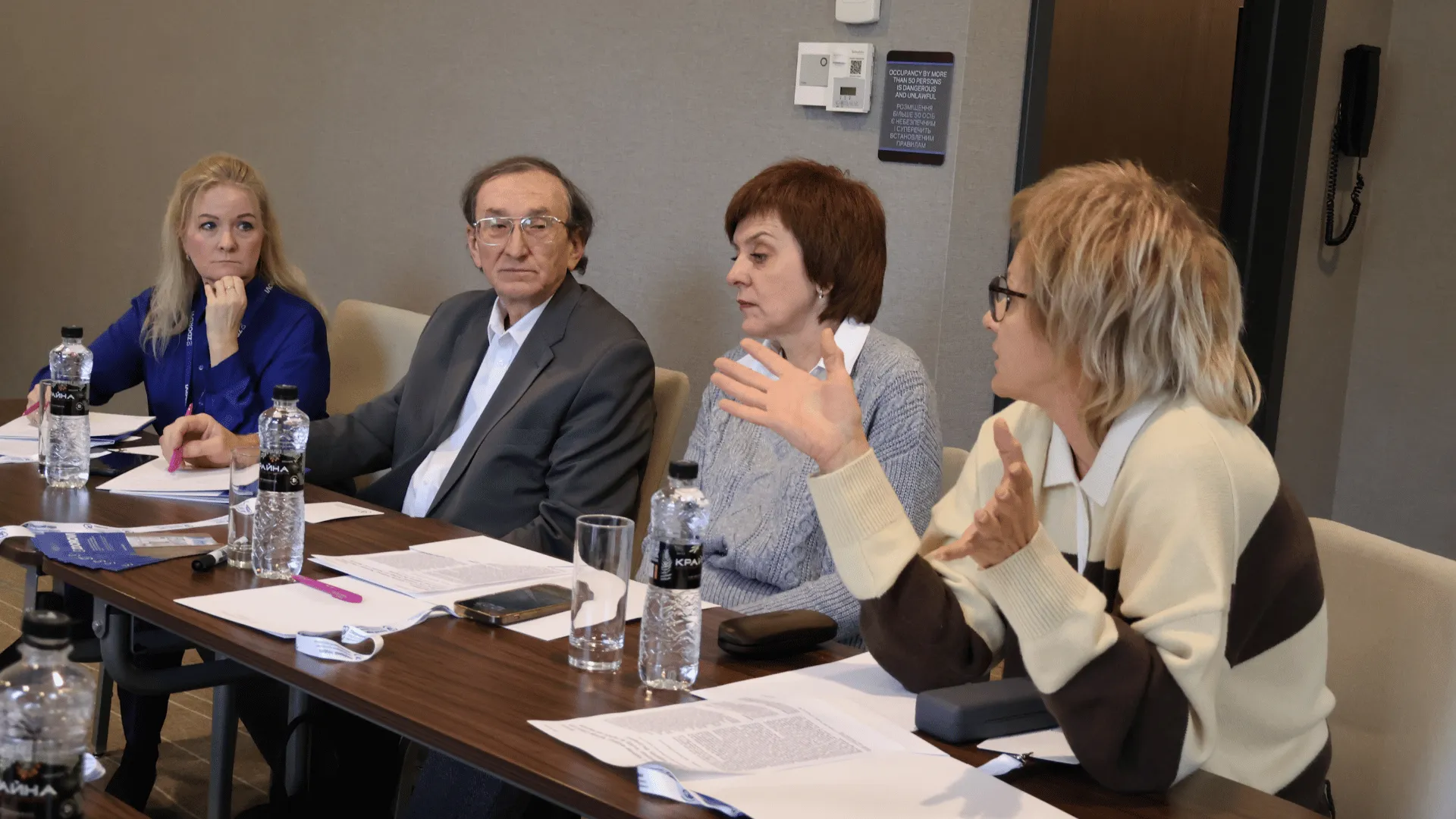
The participants included an extremely wide range of specialists:
Iryna Kondratova – chair of the working group, leading ambassador of the First Breath project, advisor to the chair of the National Health Service of Ukraine, associate professor at the Department of Paediatrics No. 1 and Neonatology at Kharkiv National Medical University.
Kateryna Bulavinova – medical expert at the United Nations Children's Fund (UNICEF) Representative Office in Ukraine.
Marina Mamenko – chair of the board of the Ukrainian Academy of Paediatric Specialties, dean of the Paediatrics Faculty at the P. L. Shupyk National Medical Academy of Postgraduate Education, professor, Doctor of Medical Sciences.
Roman Yatsyshyn – Rector of Ivano-Frankivsk National Medical University and his team.
Mykola Panchenko – Dean of the Third Faculty of Medicine for the Training of Domestic and Foreign Students at Kharkiv National Medical University.
Vitaliy Zabolotnov – Head of the Department of Nursing at Zhytomyr Medical Institute.
Lesya Vovk – Director of Lviv Professional Medical College of Postgraduate Education.
Valeria Tishkevich is the head of the neonatal intensive care unit at the Kyiv Perinatal Centre.
Oleksandra Balyasna is the director and chair of the board of the Early Birds Association of Parents of Premature Children.
Larysa Cheprasova is the president of the Ukrainian Association of Midwives.
In fact, the entire spectrum of Ukrainian neonatology was represented at the table, from university departments to practical departments. The meeting was moderated by Natalia Tulinova, founder and CEO of ZDOROVI, and Iryna Kondratova outlined the introductory vision and context of the problem.
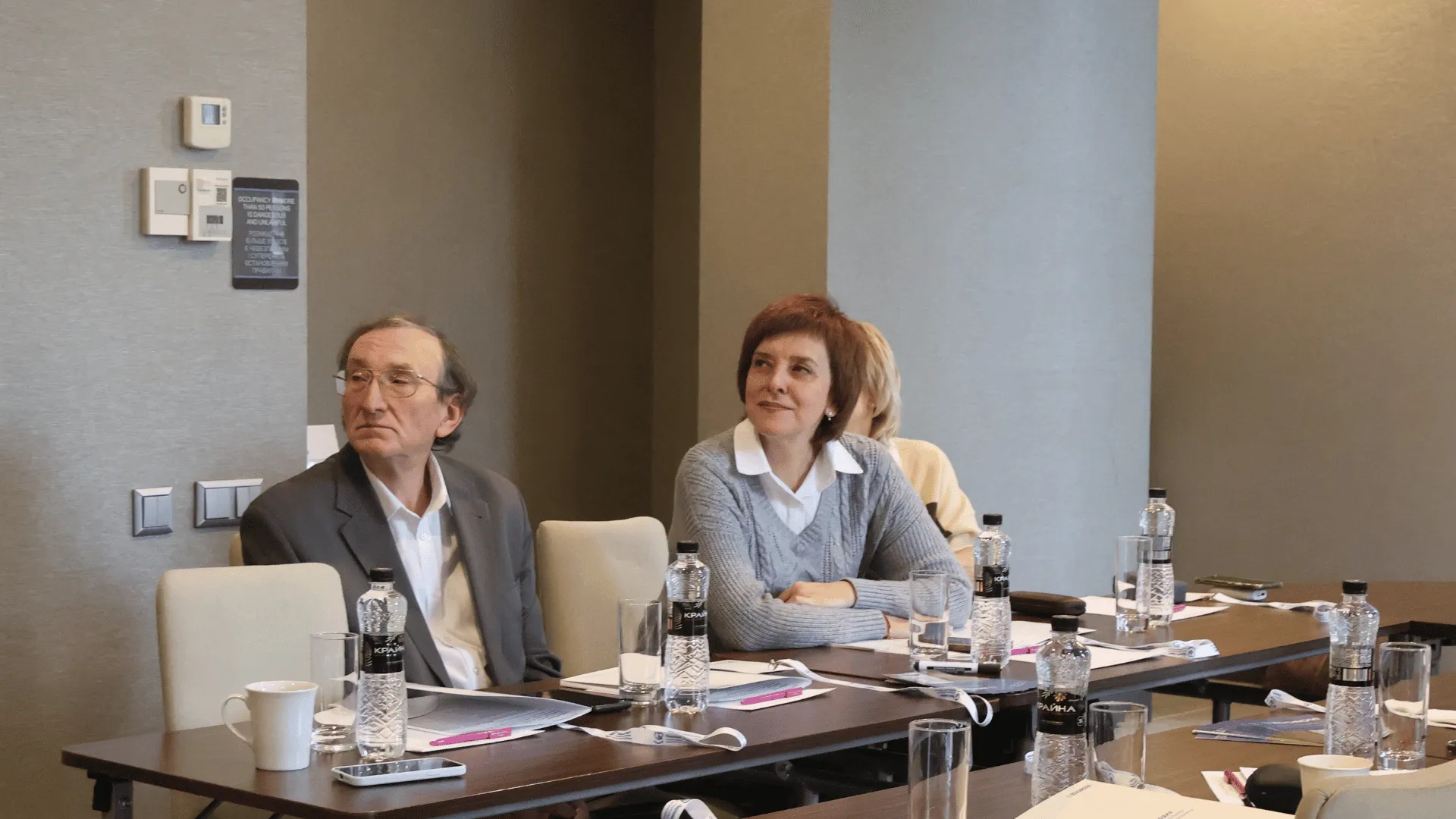
Participants paid considerable attention to how to adapt advanced European models to Ukrainian realities. In particular, while England updated its national standards for training neonatal nurses in 2023, emphasising long clinical placements, measurable outcomes and external programme audits, the Nordic countries have long since developed comprehensive professional development models. Norway has a clear training system with mandatory practical modules in specialised centres, where each nurse undergoes routing according to the intensity level of the department. Sweden actively invests in simulation laboratories and has an approved model of ‘clinical nurse specialist’ in neonatology, which provides for expanded competencies, separate educational qualifications, and regular assessments of practical skills.
For Ukraine, such standards could become a roadmap, but, as the participants emphasised, only after adaptation. This is not about copying, but about creating a system that works in our conditions: who teaches (clinical trainers, PhD nurses, university lecturers), which modules should be included, how to organise practical classes and certification. The role of simulation training, a tool that has already become the norm in leading perinatal centres in Europe, was emphasised separately. International data show that simulation increases the accuracy of nurses' actions in emergency scenarios by 25–40%, and their self-efficacy doubles. The participants were unanimous: simulation training should be integrated into all stages of training, rather than conducted as one-off initiatives. Particular attention was paid to discussing the need to raise the prestige of the nursing profession.
Discussions in medicine usually focus on doctors, but it is neonatal nurses who spend the most time with patients. They monitor vital signs, respond to unstable conditions, and perform key procedures in the first hours of a child's life. Participants emphasised that without a change in public attitudes and the creation of conditions in which the younger generation sees this profession not only as an extraordinary responsibility but also as a prospect for development, no reforms will be sustainable. Educational programmes, clear career paths, competitive working conditions and public policy that recognises the role of nurses as key members of the team, rather than support staff, are needed.
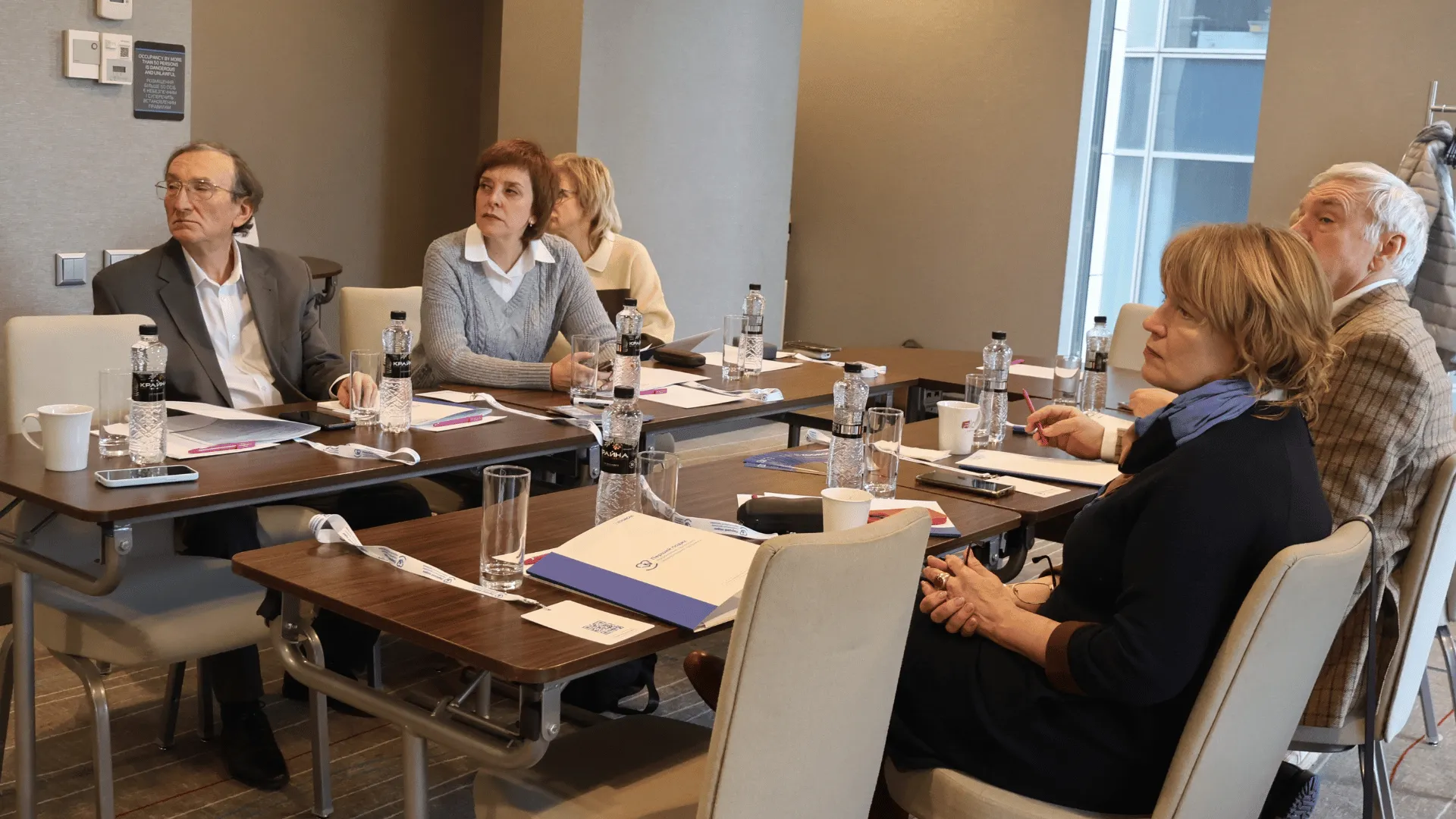
The meeting resulted in a specific list of further actions, which ZDOROVI recorded as the outcome of the round table: creation of a working group to develop a training programme; identification of pilot institutions in different regions; formation of a list of international centres and experts whose experience should be adapted; and further development of a draft programme with a clear module structure. Thus, a realistic roadmap for action has been formed, which can be implemented in the coming months.
Summing up the discussion, ZDOROVI CEO Natalia Tulinova emphasised: «We are talking about a profession on which the first minute of life depends. And it is critically important for us to create a system in Ukraine in which a neonatal nurse is a highly qualified specialist with a clear path for development, training and support. We cannot allow a staffing crisis to determine the fate of children. Especially now, when the birth rate in Ukraine is so low. We must do everything we can to make nurse training systematic, accessible and high-quality — and we must start acting now».
ZDOROVI calls on the professional community, universities, government agencies and donors to join forces to build a networked training system — from the development of modules to their implementation in pilot intensive care units. After all, we are talking about those first minutes of life when the professionalism of the medical team determines not statistics, but destinies.
© 2026 zdorovi. all rights reserved.
контакти
strategy@zdorovi.agency
+380508000924 - контакт-центр фонду
Адреса: 01014, м. Київ, вул. Звіринецька, 63, офіс 1
website by WHYER.AGENCY