In 2022, Valentyn Chuchuk had to start his life practically from scratch. After his native village in the Kharkiv region of Ukraine was occupied, he fled through Russia and the Baltic countries. Although he had the opportunity to stay abroad, he chose to return to Ukraine. Today, he helps civilians affected by the war and veterans undergo rehabilitation in Ivano-Frankivsk, which has gradually become his new home.
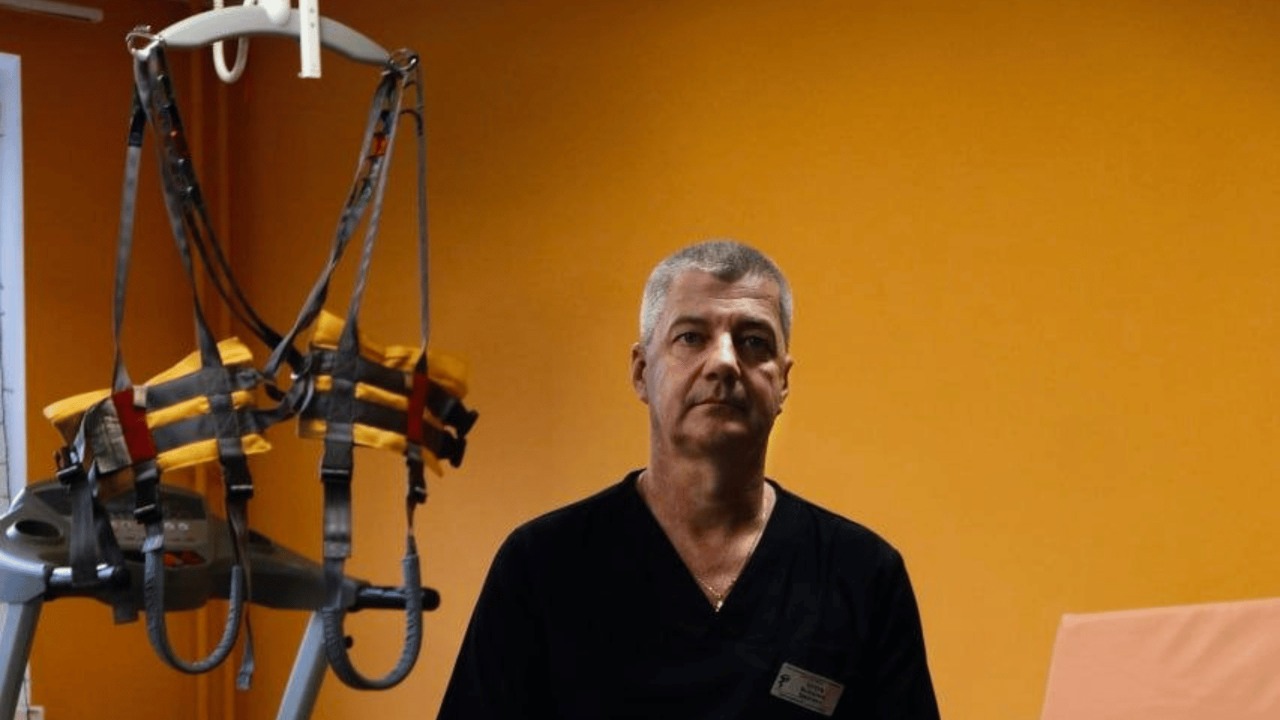
He has been workingas a medical assistant at the Center for Physical and Rehabilitation Medicineat the Ivano-Frankivsk Regional Clinical Hospital for nearly two years, and atthe Prykarpattia Regional Clinical Center for Mental Health for four years. Hesays, “I have never once regretted coming back here.”
Very Often, Family Members Need More Support Than the Patients Themselves
Valentyn Chuchukhas worked in healthcare for more than 30 years. Before the full-scaleinvasion, he worked as a nurse at the Kharkiv Regional Psychiatric Hospital inStrilecha village, near the Ukrainian-Russian border. After moving to theCarpathian region, he joined the Prykarpattia Regional Clinical Center forMental Health and, later, became part of the team at the Center for Physicaland Rehabilitation Medicine in Ivano-Frankivsk.
Rehabilitation was anew field for him. He had to learn a great deal: take courses, attend trainingsessions, and draw on the experience of Ukrainian and internationalspecialists. He believes that the war has pushed Ukrainian medicine to adoptmodern rehabilitation approaches more rapidly.
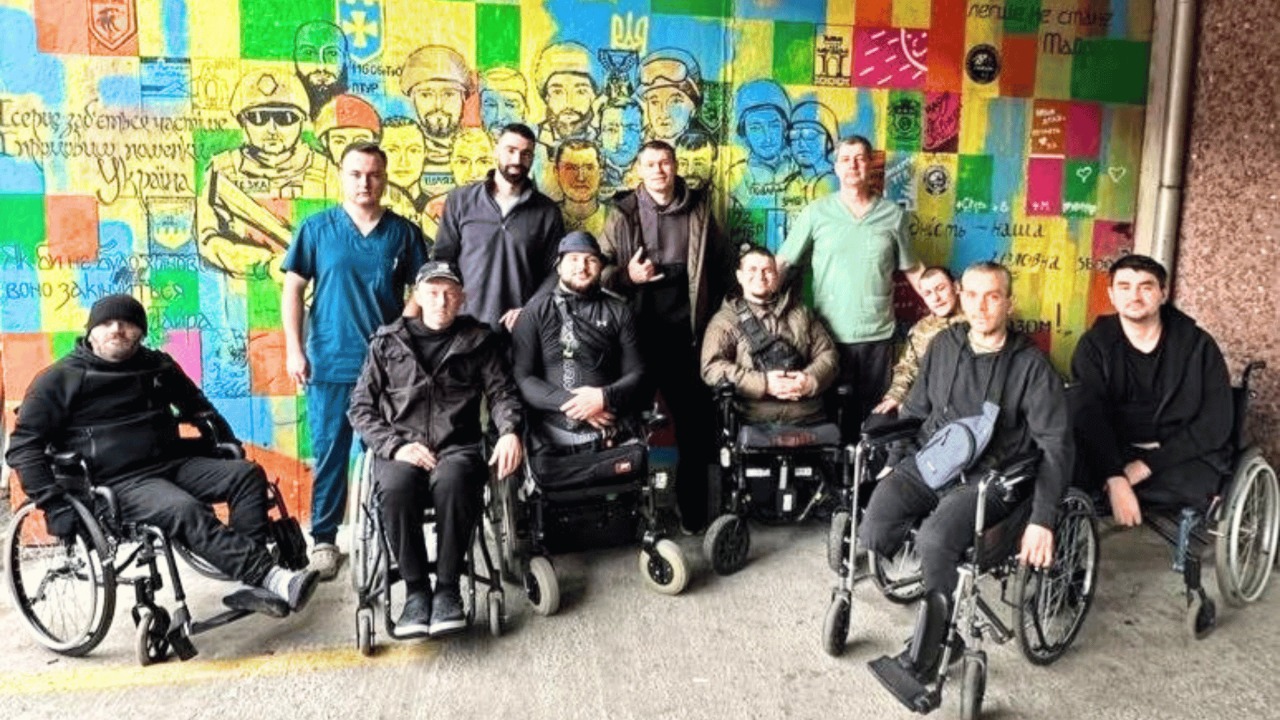
“When I came here,I saw so many people with severe injuries, amputations, and trauma. To behonest, I thought it would be very gloomy here. But the patients undergoingrehabilitation are amazing. They’re holding up so well. I didn’t expect them tobe in such high spirits.”
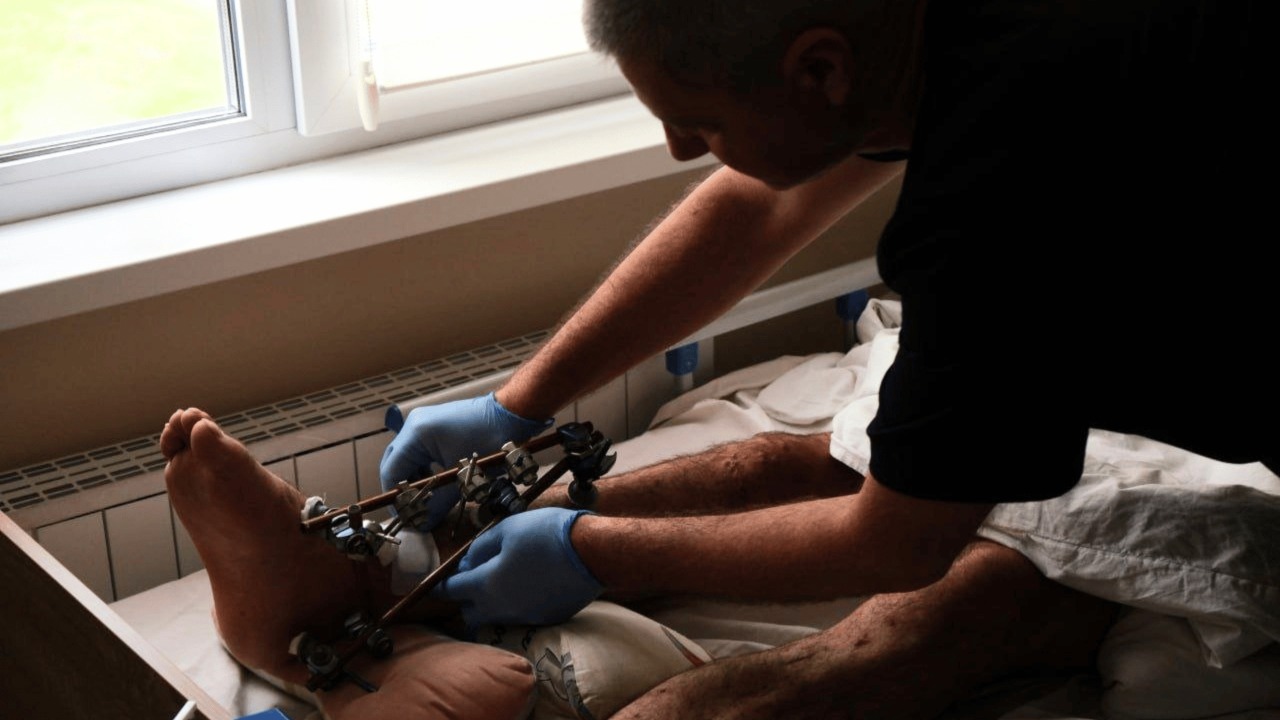
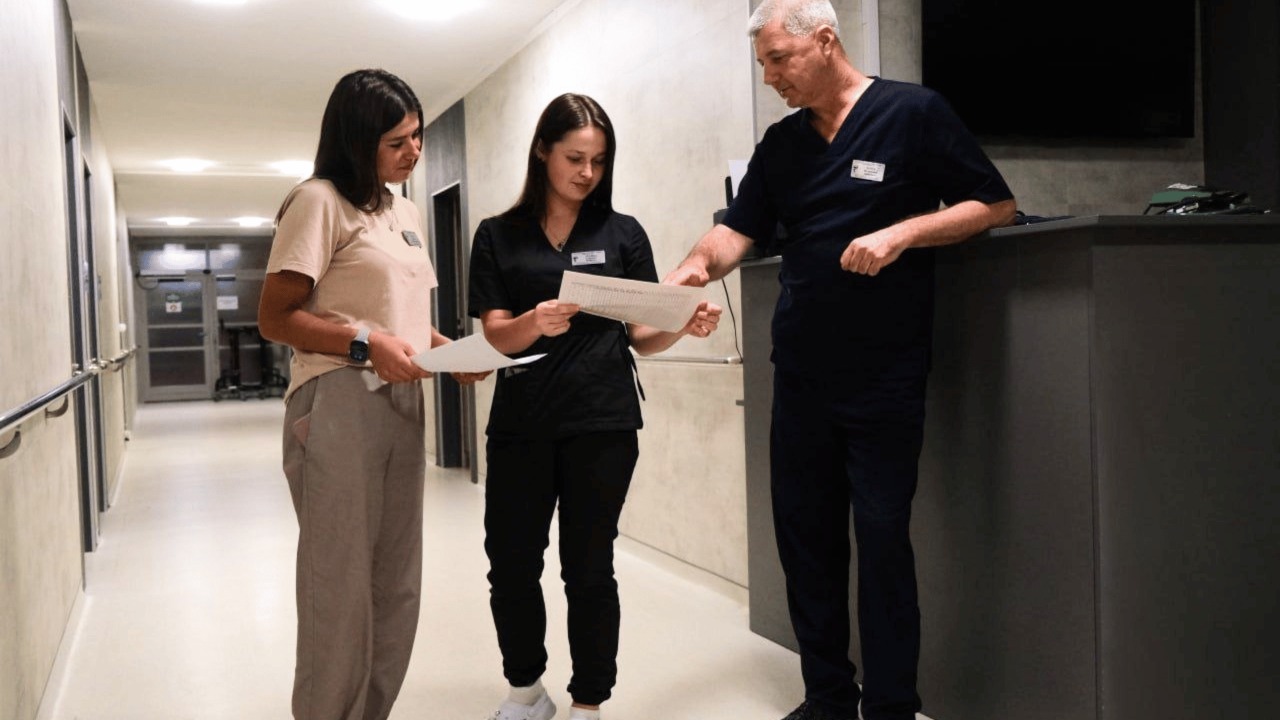
Valentyn says hisworkday begins with the shift handover familiar to all healthcareprofessionals. Then come taking patients’ temperatures and blood pressure,changing dressings, inserting catheters, performing medical procedures, andassisting people with musculoskeletal conditions and those undergoingrehabilitation after injuries.
According to Valentyn,conversation is often the first step toward recovery. It can be just asimportant as medication or physical therapy. This is especially true forveterans undergoing long-term rehabilitation after serious injuries. They may adaptto new circumstances relatively quickly, while their families often have tolearn how to adjust to these changes.
As he learned moreabout rehabilitation, Valentyn attended a series of training sessions led byUkrainian and international specialists. At one of them, he was struck by asimple yet effective piece of advice: don’t rush to help someone just becausethey use a wheelchair; first, ask whether they need help.
“Very often,family members need more support than the patients themselves,” Valentyn notes,because the recovery process affects the lives of the entire family.
What is thehardest part of his job? Valentyn finds it difficult to answer this question:
“I can’t name thehardest part for me. It doesn’t matter much. The hardest part exists for thoseundergoing rehabilitation after serious injuries. And we’re simply here to helpthem.”
A Job He Couldn’t Just Walk Away From
On February 24,2022, Valentyn Chuchuk was at home in Strilecha village in the Kharkiv region,right on the border with Russia.
“I saw it all withmy own eyes — how everything was flying by at 4 or 5 in the morning,” Valentynrecalls. “Right outside my window is the border, about 150–200 meters away.There was this glow, and the rumble was deafening. The power went outimmediately, and a little later, the mobile network went down.”
Despite the beginningof the full-scale invasion, Valentyn, like the other medical staff at the KharkivRegional Psychiatric Hospital, continued to go to work. He says they could notabandon their patients. Many of them did not even realize what was happeningaround them. Soon, the hospital lost electricity, water, and gas.
“We couldn’tabandon the patients. It was so cold — it was February, and the temperature inthe wards was around zero degrees. And they had nothing to eat,” Valentyn remembers.
The medical stafftried to cook for everyone themselves. At first, they cooked at home whilethere was still gas; later, they cooked over open fires. Everyone who had a gardenbrought whatever food they had left in their cellars.
For nearly threemonths, Valentyn and his family were forced to live under occupation. Russiansoldiers regularly conducted searches, checking houses for weapons andUkrainian soldiers. Valentyn was the head of the local hunting association, sohe knew he could be at particular risk.
“They came inarmed, separated my wife and me into different rooms, and searched the house,the attic, the basement, and the outbuildings. I asked what they were lookingfor. They replied, ‘Nazis.’”
At the time, itwas impossible to get to Ukrainian-controlled territory directly. Their onlyoption was to make their way through Russia. Together with his wife and mother,Valentyn set out on the journey. From Russia, their route took them throughLatvia, Lithuania, Poland, and Slovakia, before they finally entered Ukrainethrough Zakarpattia.
At the Russianborder, their car was detained for nearly eight hours.
“They let everyonethrough, but they pulled me aside. Only later did the Latvian border guardstell me, ‘They wanted to take you away. Didn’t you understand?’ And only thendid it all sink in.”
Valentyn spentonly a few days abroad while making his way back to Ukraine. He says he had theopportunity to stay in Europe, but returned to Ukraine without hesitation:
“Many peoplestayed. But we decided to come back here. And I’ve never once regretted comingback.”
“I Belong Here Now”
Valentyn Chuchukarrived in Ivano-Frankivsk in July 2022. He says he chose the city almost bychance:
“We drove here,and for some reason — I don’t know why — I ended up staying in Ivano-Frankivsk.And I’m very glad I stayed here.”
He admits that atfirst, he constantly thought about returning home. But now he realizes there isnowhere to go back to — the home he had been building with his family fornearly five years is no longer there. He learned about two years ago that the househad been destroyed. Just before the full-scale invasion, Valentyn had finishedbuilding his own home, with the whole family pitching in: “A little two-storyhouse with an attic.”
Along with thehouse, a part of his life was left behind. Like many Ukrainians in the springof 2022, Valentyn was convinced he would be away only briefly: “We all thoughtwe were leaving for two weeks.”
So, they left mostof their belongings at home, taking only the essentials with them.
“You can’t fiteverything in a car. A lot of photos were left behind, along with many CDs,cassettes, and flash drives. I thought I’d be back in two weeks.”
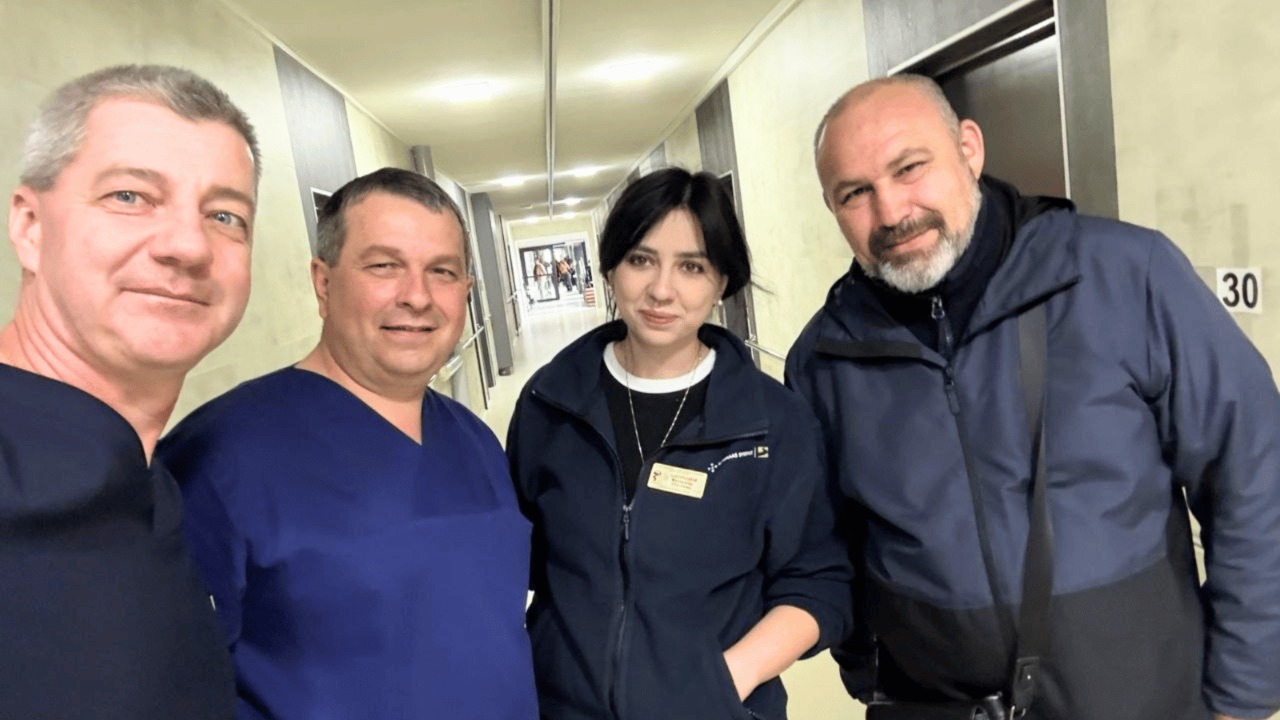
Despite everythinghe has been through, Valentyn says he felt at home in the Carpathian regionfrom the very beginning. He says he never encountered stereotypes about the“east” and the “west”:
“I was welcomedvery warmly here, both at this hospital and at the other one. I can no longersay that I’m a stranger here. I already have a lot of friends here.”
Outside of work,he goes hiking in the mountains with his colleagues and joins them on grouptrips. He says that’s exactly how a group becomes a team — not just at thehospital, but outside it as well.
This story is published as part of a jointproject honoring Ukrainian healthcare professionals, implemented by ZDOROVI inpartnership with the Ministry of Health of Ukraine.
© 2026 zdorovi. all rights reserved.
контакти
strategy@zdorovi.agency
+380508000924 - контакт-центр фонду
Адреса: 01014, м. Київ, вул. Звіринецька, 63, офіс 1
website by WHYER.AGENCY