Events
2MIN
10/12/2025
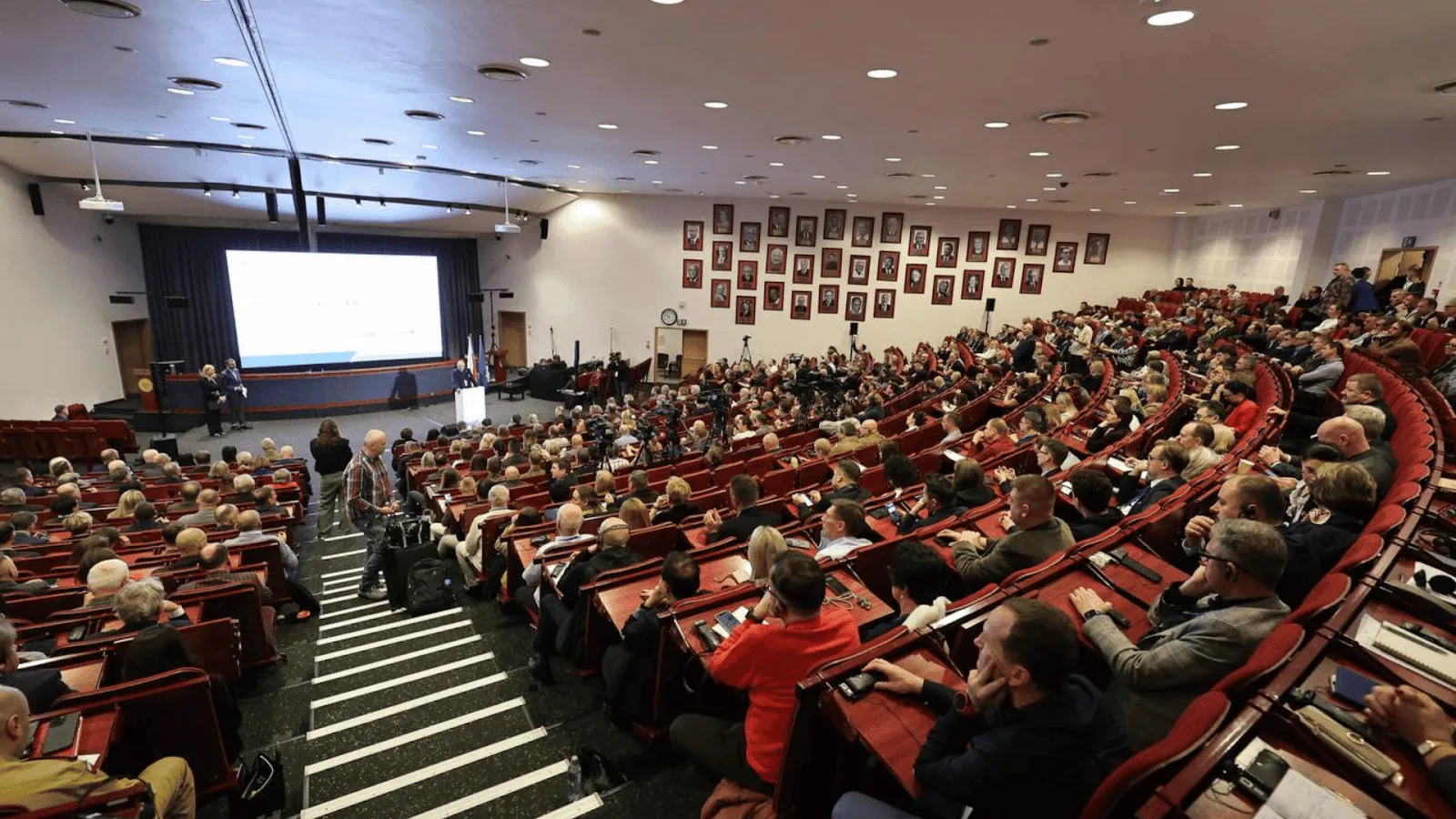
A large-scale international conference entitled “Healthcare System in Wartime: How to Benefit from Ukrainian Experience?” was held at the Medical University of Warsaw.

The event brought together hundreds of Polish medical professionals, including doctors, rescuers, administrators, military personnel, and representatives of hospitals and regional services. The Ukrainian delegation presented, for the first time, a comprehensive overview of how the healthcare system functions during a full-scale war – from state policy and medical evacuation to public decision-making and innovations.
The Ukrainian delegation was represented by key government and medical institutions: Ihor Kuzin, Deputy Minister of Health and Chief State Sanitary doctor of Ukraine; Iryna Mykychak, Advisor to the Minister of Health; Dmytro Samofalov, Head of the Health Department of the Ministry of Defense of Ukraine; Yevhenii Cherenok, CEO of the National Rehabilitation Center “Tsybli”; Natalia But, CEO of Municipal Multi-field Clinical Hospital #4 in Dnipro; Radii Shevchenko, CEO of Dnipropetrovsk Regional Centre of Emergency Medical Aid and Disaster Medicine; Andriy Vasko, CEO of the Lviv Regional EMS; Volodymyr Krasiokha, CEO of the Lviv Veterans Hospital; and other representatives of medical institutions who work in high-risk conditions every day.
The Minister of Health of Ukraine, Viktor Liashko, was unable to attend the event. However, he sent a recording, setting the tone for the discussion: “Ukrainian doctors fight every day for the lives of people affected by the war.”
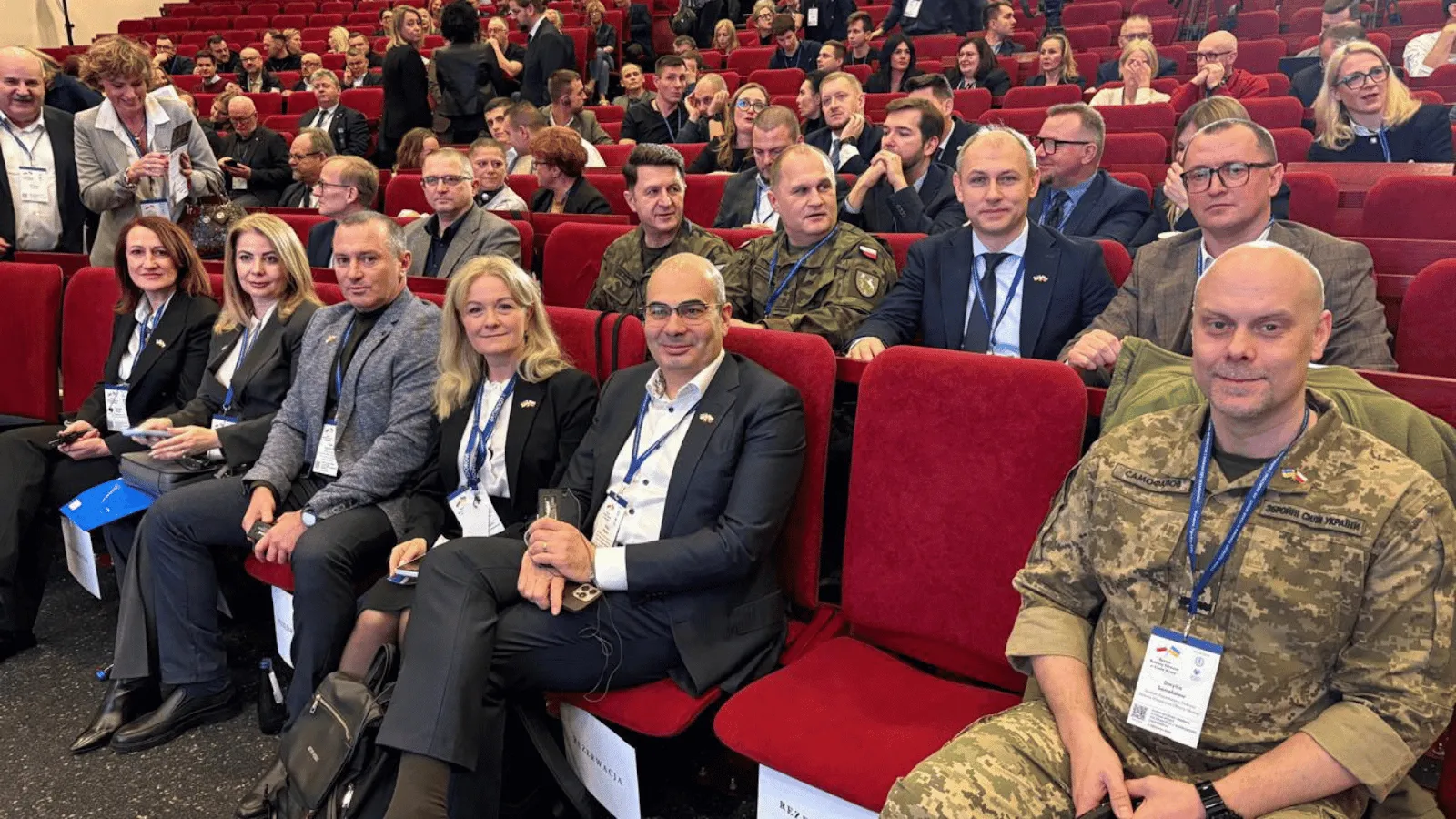
Against this backdrop, ZDOROVI played a unique role as the only Ukrainian civil society organization invited to speak. The humanitarian agency presented its systematic experience in civil society work, which has become an important component of Ukraine's resilience.
The conference stage was filled with numbers and pain: millions of displaced people, hundreds of destroyed hospitals, and a growing number of wounded and killed civilians – figures highlighted in the speeches of Viktor Liashko, the Minister of Health of Ukraine, and other government representatives.
The most powerful moment of the conference was the personal narratives – the stories that make it impossible to speak about “the system” in abstract terms, because behind every number there is a human life. Oksana Dzham, CEO of the Bucha Primary Health Care Center, spoke about the cruelty of the Russian occupation and how the memory of a small child's body haunts her to this day.
“I will never forget the story of our pediatrician who lost his son. The child died instantly, shot right in the heart. I searched for his body… His father begged, ‘Find him, because I want to bury him.’ Stories like this stay with us for the rest of our lives,” she said – and a deep silence fell over the room.
Another equally emotional speech addressed medical evacuation and the work of frontline hospitals operating in emergency conditions. Doctors spoke about organizing mass evacuations – sometimes transporting hundreds of patients within an hour – about resuscitation teams working non-stop for 24-36 hours, and about saving hundreds of lives in makeshift conditions: in corridors, basements, and temporary hospitals.
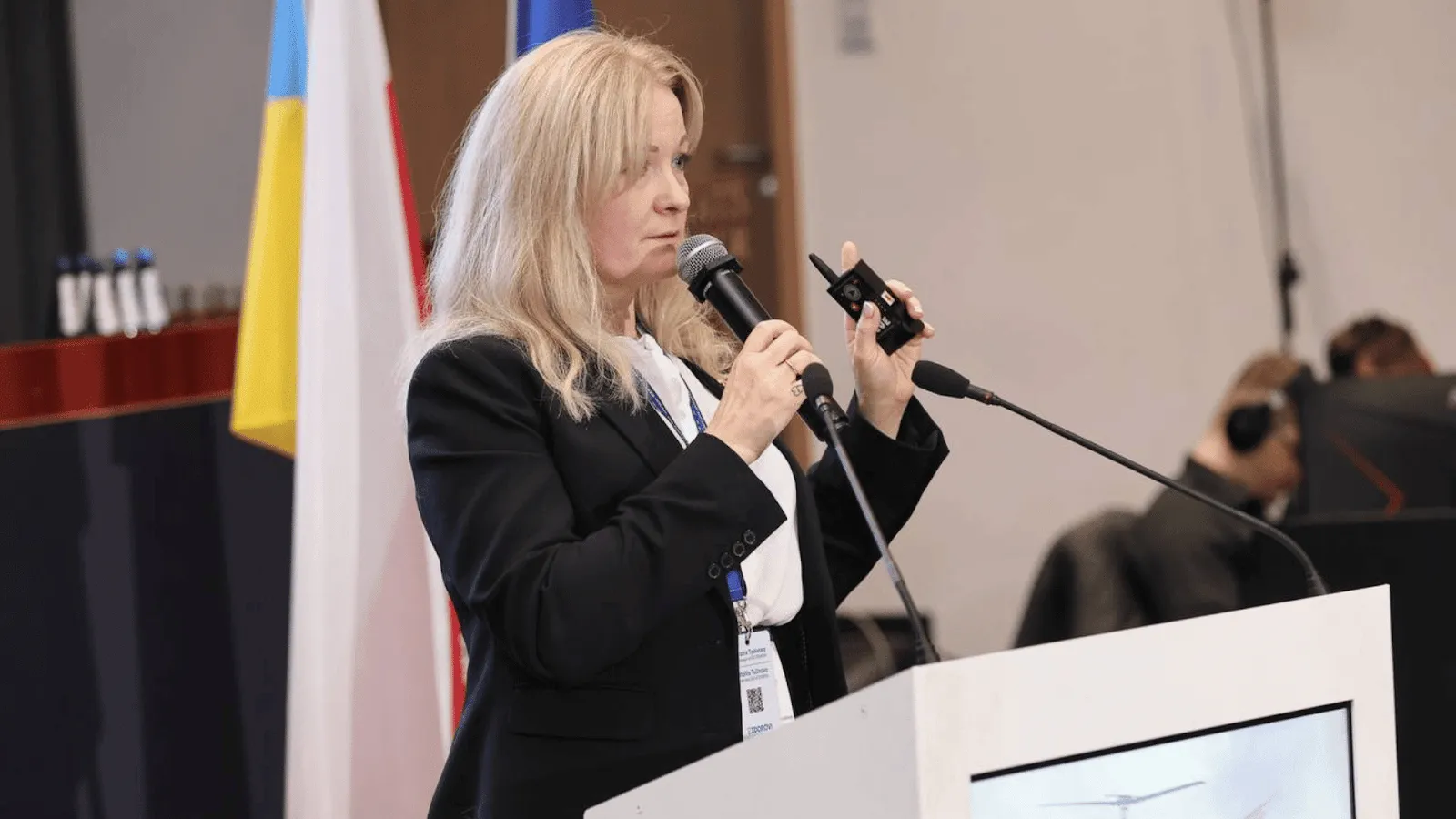
It was addressing such grand challenges that the foundress and CEO of ZDOROVI, Nataliia Tulinova, spoke about how “without waiting for the state”, to build an effective, transparent partnership with it – an approach that enabled ZDOROVI to turn the chaos of 2022 into a rapid response and recovery system.
ZDOROVI’s presentation drew the attention of the Polish audience largely because of its practical – not merely theoretical – focus. Using real-life cases, the charity foundation presented a comprehensive model of how the public sector can function as an effective part of the healthcare system during wartime.
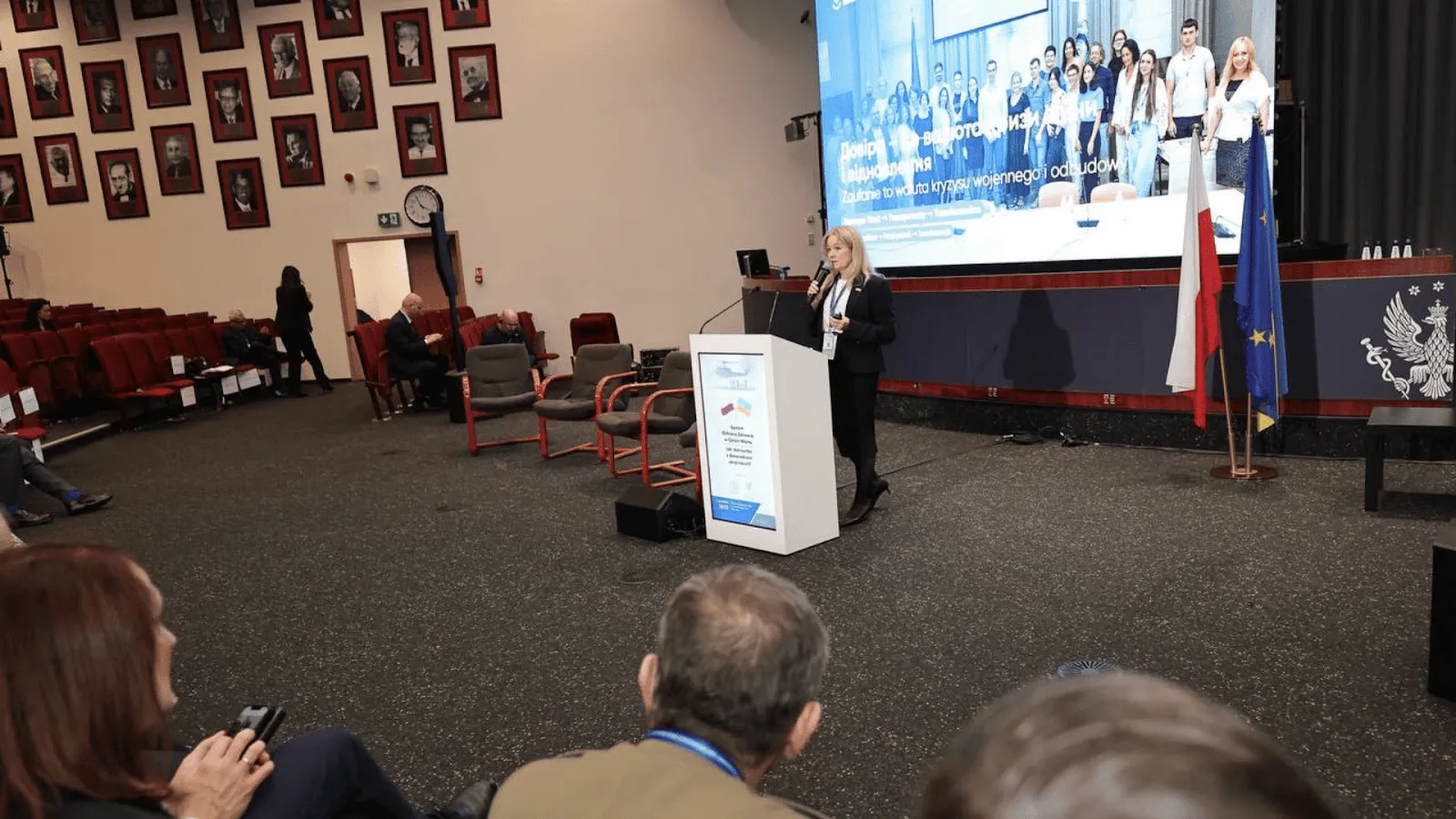
Specific solutions implemented by the foundation to address real problems were discussed: lack of reserves, chaotic requests from hospitals, challenges in humanitarian supply chains, and risks of corruption. The combination of speed, technology, and a partner network forms the core of the ZDOROVI model. In her presentation, Nataliia described the agency’s digital tools in detail: a full-cycle ERP system for accounting and supply control, 24/7 dashboards for donors, geolocation tracking of deliveries, QR codes on shipments, and open tenders with video recording. These solutions ensure transparency – the very “currency” of trust, without which humanitarian aid in a crisis loses its meaning.
The scale of ZDOROVI's work, as highlighted in the report, is impressive: over 70 donors, approximately UAH 27 million in humanitarian aid, 375 shipments from abroad, 970 medical facilities supported, and around 3,000 humanitarian deliveries across 24 regions of Ukraine. These figures demonstrate that large-scale impact is possible thanks to transparent processes and strong partnerships with the government and international partners.
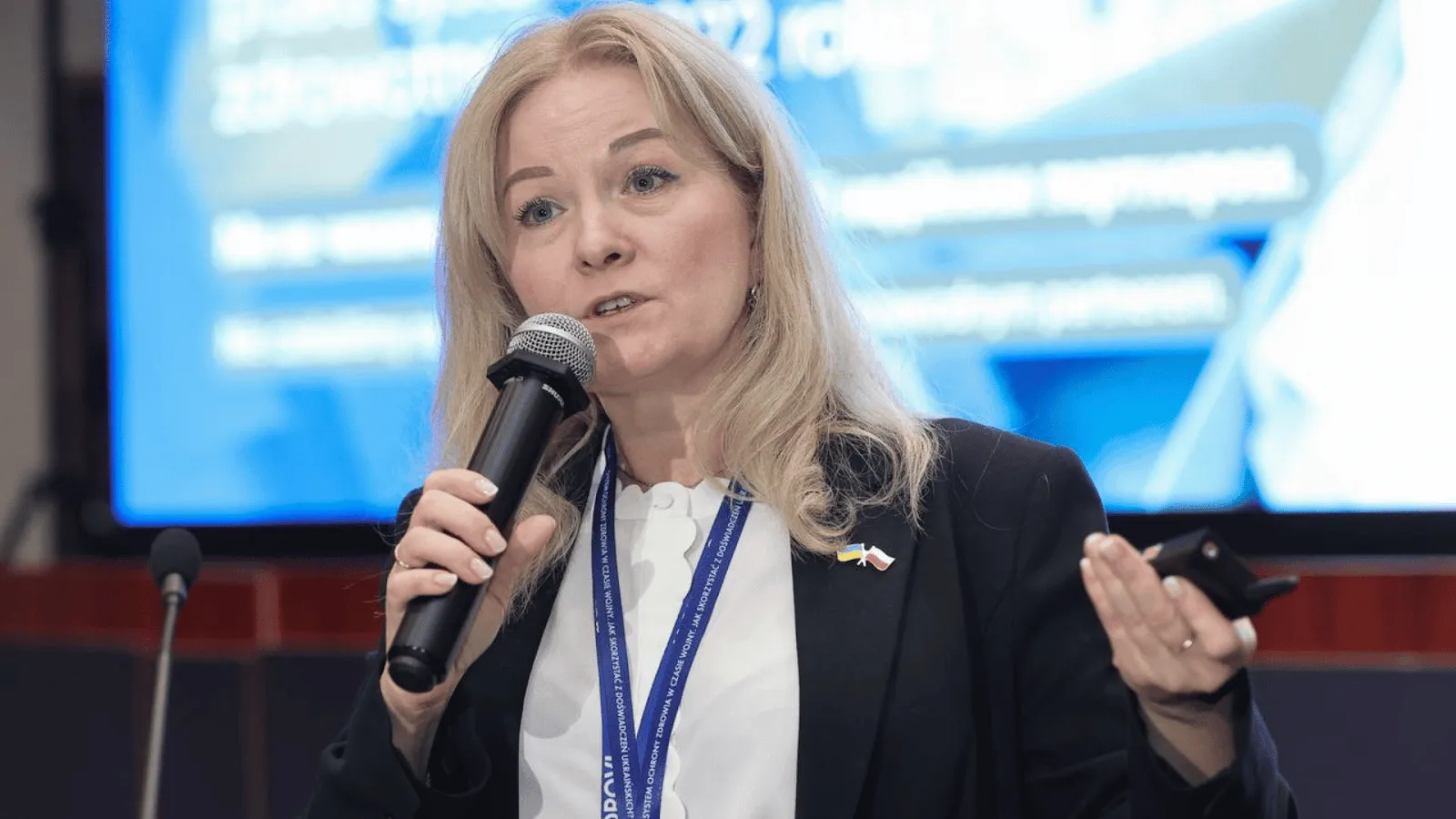
The practical tools used by ZDOROVI were reviewed in detail. The organization places particular emphasis on verifying requests from medical institutions through the MedData registry, continuously analyzing the National Health Service of Ukraine’s state registries, mapping vulnerable regions in real time, and conducting the biannual public “Barometer of needs” – an index tracking the industry dynamics.
In her speech, Nataliia not only demonstrated the tools but also highlighted the lessons that are relevant for countries preparing for the risks of modern hybrid warfare. The main points of her presentation, which directly reflect ZDOROVI’s analysis, can be summarized in several key principles:
Trust → Transparency → Transformation;
speed of decision-making can be more important than achieving perfection;
digitalization is essential in a crisis;
decentralization, combined with coordination and transparency, fosters resilience.
These messages resonated strongly with the Polish audience that had just discussed how to prepare the healthcare system for a potential crisis.
One of the strongest points in ZDOROVI’s presentation was raised in the discussion of the partnership between the government and the public sector. Nataliia Tulinova emphasized:
“Our experience shows that when the government and the public sector join forces, a model of shared responsibility and coordinated action emerges. In crisis situations, charitable foundations can quickly manage logistics, supplies, and communication with donors, while the government ensures integration, standards, and scaling of solutions. This combination works – and today, it is precisely this tool for sustainability that captures the interest of our Polish colleagues”.
The practical advice covered not only technology and logistics but also a strong focus on people: training medical professionals, support groups, individual psychological assistance, and team retreats. During wartime, when the healthcare network is under constant stress, investing in the professional and emotional resources of staff becomes a matter of survival for the system. This aspect sparked a lively discussion with Polish colleagues, who were exploring ways to integrate such practices into their own crisis preparedness plans.
At the conference, Polish speakers spoke candidly about how events on the eastern border are reshaping perceptions of security and planning. The Head of the Emergency Medical Services Department at the Faculty of Health Sciences, Medical University of Warsaw, emphasized the need to “open our eyes” and learn from Ukraine’s experience. In this context, Nataliia’s speech served as an invitation to cooperate: to adopt adaptive models, invest in digital transparency, prepare logistics corridors, and train personnel. Examples of large-scale medical evacuations and international coordination, which were highlighted by many participants at the event, were also noted as particularly important.
The main idea that Nataliia conveyed to the Polish audience is simple yet powerful: in the chaos of war, it is possible to build a system; in the face of mistrust, it is possible to create trust; and without resources, it is possible to attract millions. Guided by these principles, ZDOROVI has already achieved concrete results.
Polish conference participants – including leaders in disaster medicine, epidemiologists, and government officials – highly valued the fact that a Ukrainian non-governmental organization was able not only to adapt to chaotic conditions but also to develop systemic solutions that can be integrated into the state model.
It is noteworthy that the Polish side spoke candidly: Ukraine’s experience is not only a lesson in survival but also a valuable practical resource for countries that need to prepare for emerging challenges. Conference participants, particularly Katarzyna Kacperczyk, Deputy Minister of Health of Poland, and heads of medical response departments, emphasized that Poland is already studying Ukrainian practices in preparation for potential crises on its eastern border.
ZDOROVI is returning from Warsaw with new contacts and invitations to cooperate. But most importantly, the foundation has received confirmation that the experience of Ukrainian civil society is one of the most significant investments in the security and health of the entire region today.
© 2026 zdorovi. all rights reserved.
контакти
strategy@zdorovi.agency
+380508000924 - контакт-центр фонду
Адреса: 01014, м. Київ, вул. Звіринецька, 63, офіс 1
website by WHYER.AGENCY