Events
3MIN
29/8/2026
No two days are the same for a medical team. Every day brings new patients, complex situations, decisions that must be made quickly, and communication — which is often just as crucial as medical knowledge.
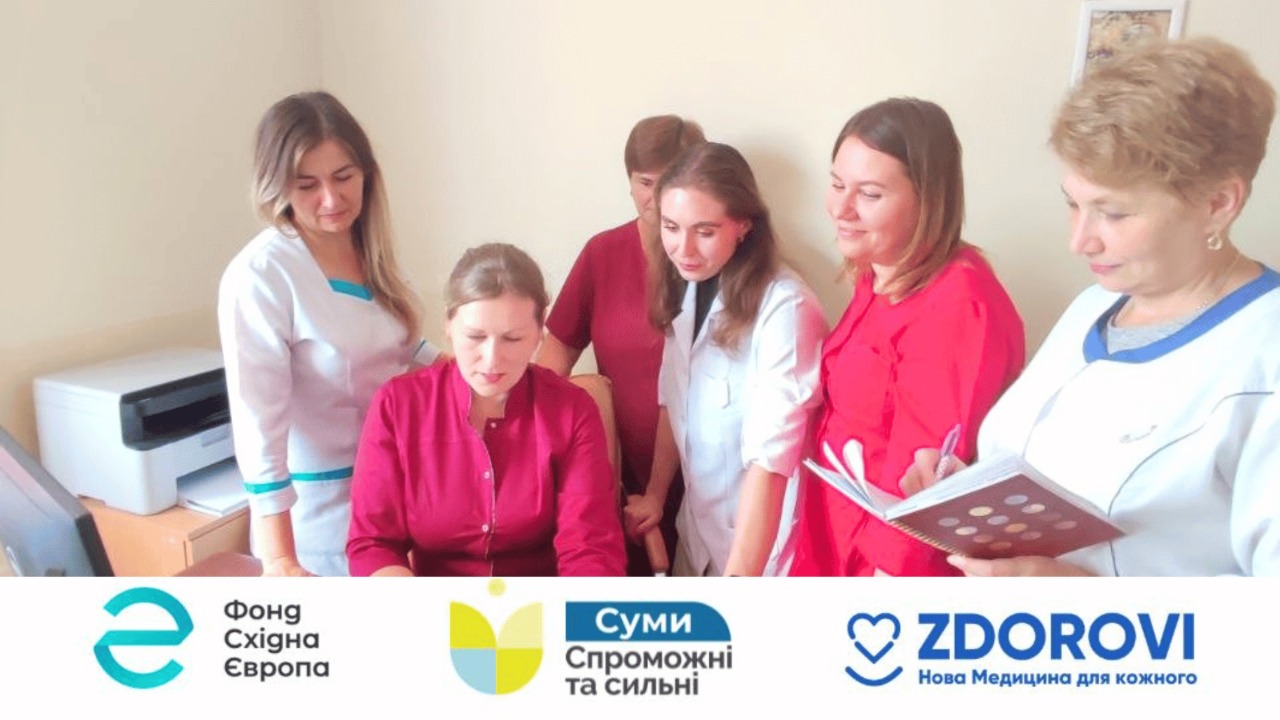
That’s why professional development for healthcare providers isn’t just about new protocols or clinical skills. It’s also about the ability to listen to patients, find common ground in difficult situations, work without creating additional barriers, and remain a team even when conflicts arise.
Every day, healthcare professionals face situations where professional knowledge alone isn’t enough. Communicating with veterans, interacting with patients with diverse needs, and managing conflicts within the team — all of these factors directly affect the quality of care and the team’s performance.
These are precisely the challenges healthcare professionals describe when reflecting on the training sessions they attended with ZDOROVI trainers. For some, the tools they acquired helped them structure conversations with patients differently; for others, they provided a better understanding of the needs of people with disabilities or veterans; and for still others, they offered a fresh perspective on conflicts within the team.
For the medical team at the CNE “Center of Primary Health Care” of Konotop District Council in the Sumy region, the three training sessions conducted by ZDOROVI trainers provided an opportunity to step back from their daily routine, view familiar situations from a different perspective, and gain practical tools they can apply in their work.
And each training session found a place in the team’s real-life experiences.
Day One: A Veteran Is, Above All, a Person
In medical practice, encounters with veterans require particular sensitivity. A healthcare specialist doesn’t always know what experiences lie behind a patient’s request, so it is important not to make assumptions but to give the person space to talk about their needs. These simple yet important principles help build trust and make healthcare more comfortable for veterans.
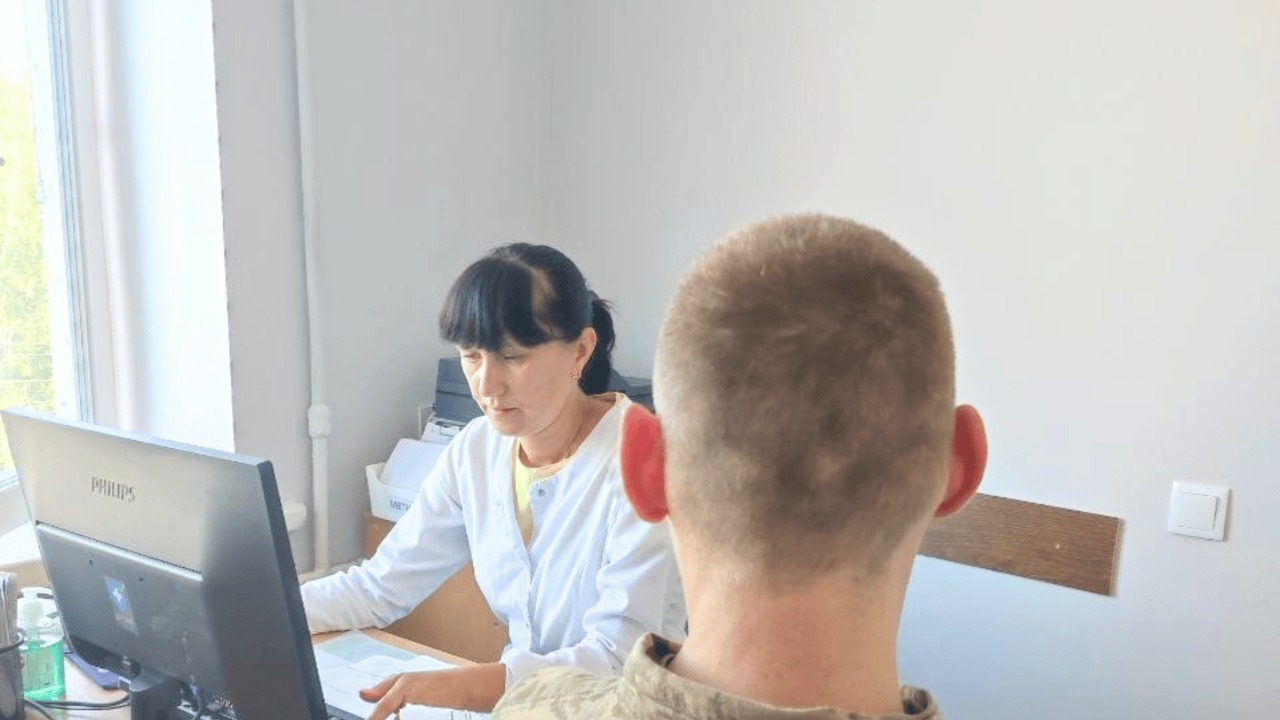
The photo shows a nurse and a veteran who came to the medical facility for treatment. From the outside, it looks like a routine moment at work, but for the team, it served as a reminder of the importance of effective communication.
The training helped medical personnel better understand how to communicate with veterans without stereotypes, unnecessary assumptions, or awkward questions. For a healthcare professional, the person in front of them should always be the priority — someone who needs professional care, respect, and understanding.
Day Two: Accessibility Begins with Attention to a Person
Accessibility in healthcare is about much more than the physical accessibility of a space, which has become increasingly recognized as essential.
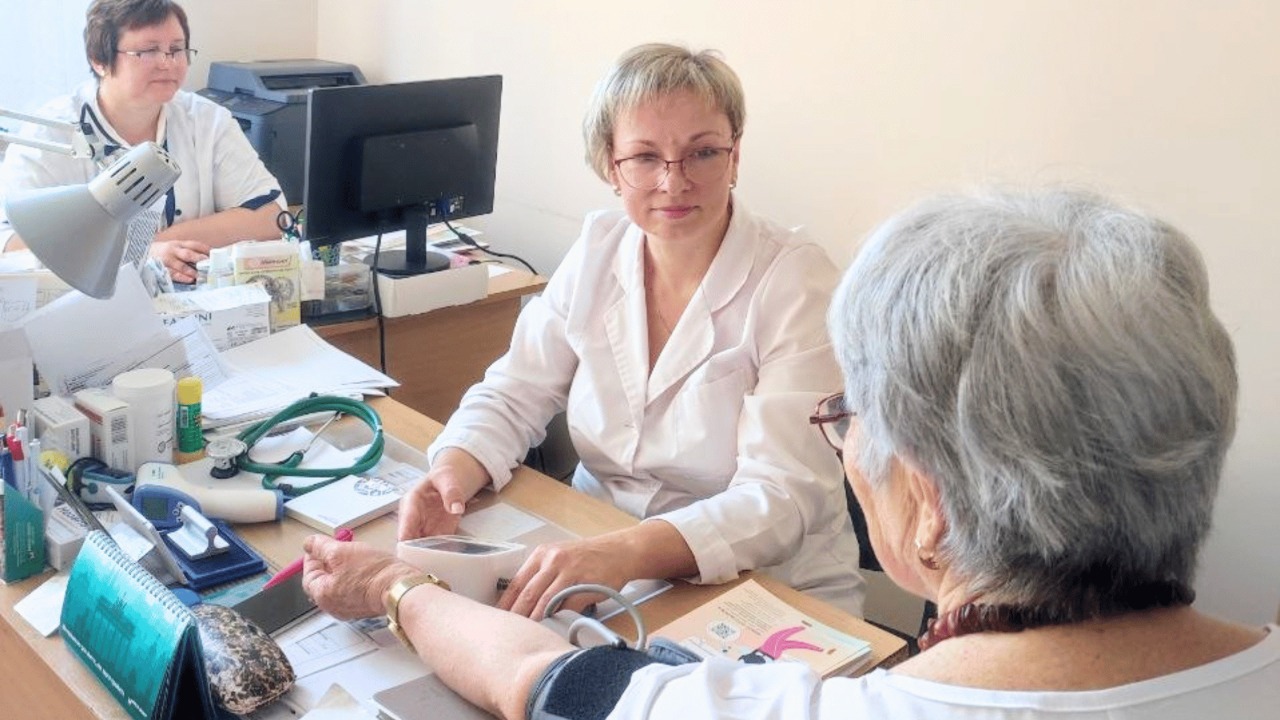
For Olha Bespala, a family physician at the Center who works with patients of all ages — from children to older adults — accessibility is part of her daily practice.
The training allowed her to take a fresh look at familiar processes and reaffirm that accessible healthcare begins with recognizing each person’s individual needs: listening to the patient, explaining things clearly, taking their circumstances into account, and helping them access the care they need without unnecessary barriers.
This philosophy is not new to the team — they apply many of these principles in their daily work. But new knowledge and practical tools help make these practices more systematic and consistent.
Day Three: Conflict Management — Seeking Solutions, Not Blame
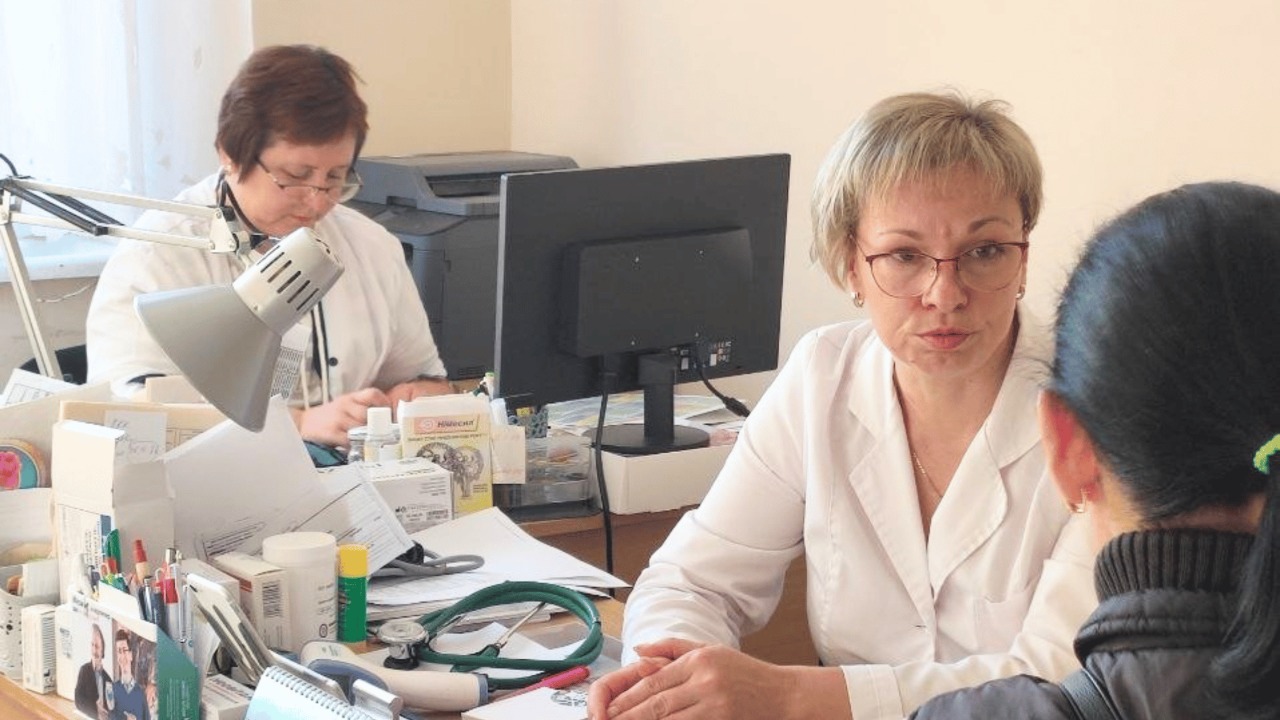
In healthcare, complex situations are inevitable. Conflicts can arise when communicating with patients, between colleagues, or as part of everyday work processes.
The third training session focused on conflict management — and for the team, it became an opportunity to view conflicts not as a search for someone to blame, but as an opportunity to understand the root cause of a problem and find a solution.
Head Nurse Olha Fesenko particularly remembered the phrase: “Punish processes, not people.”
For the team, this became a kind of professional guiding principle.
When a mistake occurs, it is not enough to determine who made it. Far more important is understanding why it happened, where exactly the process failed, and what the team can change to prevent it from happening again.
This approach helps build a strong team — one that knows not only how to work together but also how to find solutions together.
Over the course of three days, the team at the Center of Primary Health Care of Konotop District Council gained new knowledge and practical tools. But the main outcome of the training is not the certificates or the number of topics covered — it is the changes in their daily work: listening more attentively, better understanding patients’ needs, identifying barriers, responding more constructively to challenging situations, supporting one another, and, above all, being ready to put these new approaches into practice.
Training does not change healthcare professionals’ work overnight. But every new tool a team puts into practice makes it stronger.
“A strong healthcare team is one that is constantly learning, knows how to listen to one another, and is ready to change for the sake of the patient,” representatives of the medical facility noted.
For ZDOROVI, developing the capabilities of healthcare professionals is an investment not only in their professional skills but also in the quality of care patients receive every day.
We’re learning today so that tomorrow we can provide even better care to our patients.
The project “Strengthening the Capacity of Healthcare Workers in the Sumy Region to Support Recovery and Reintegration of the Population” is being implemented by the ZDOROVI Charitable Foundation as part of the “Capable and Resistant: Sumy” project, implemented by East Europe Foundation (EEF).
© 2026 zdorovi. all rights reserved.
контакти
strategy@zdorovi.agency
+380508000924 - контакт-центр фонду
Адреса: 01014, м. Київ, вул. Звіринецька, 63, офіс 1
website by WHYER.AGENCY