Events
Projects
3MIN
24/9/2026
What happens when a child with an autism spectrum disorder visits a medical facility?
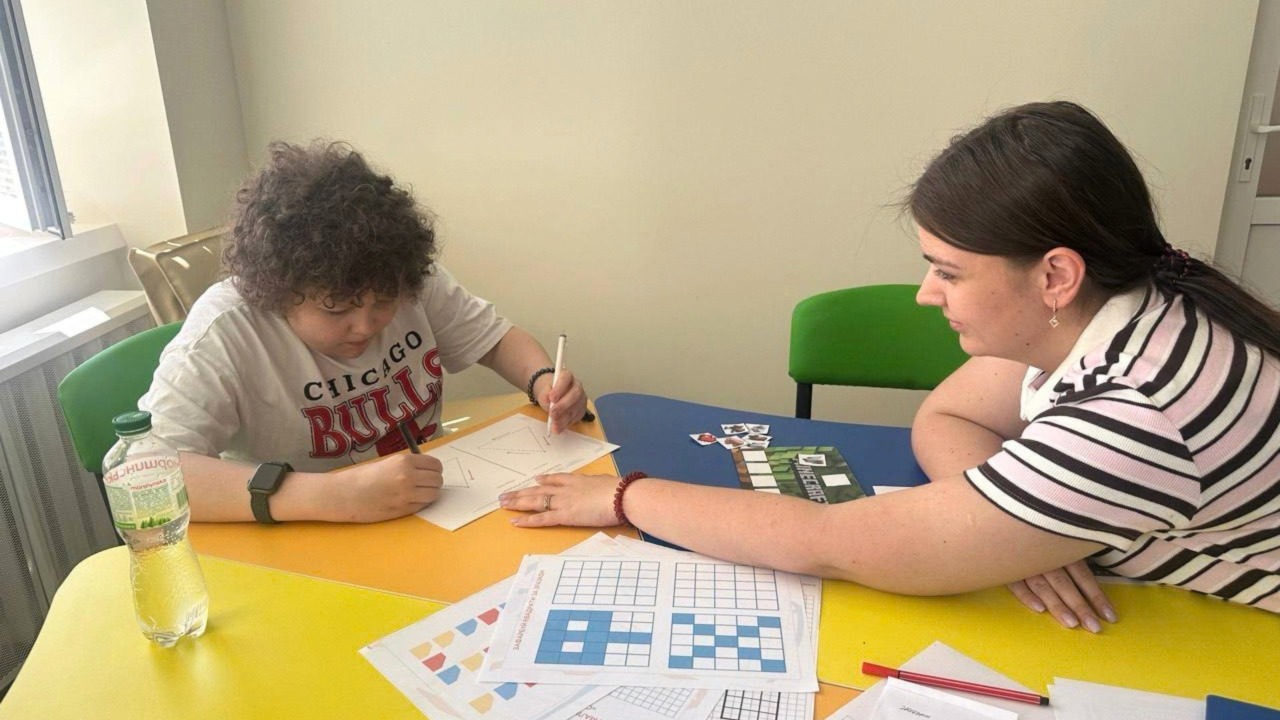
For some, it may be just a routine doctor’s visit. But for a child with ASD, a new environment, bright lights, unfamiliar people, sounds, smells, waiting, or the need to follow unfamiliar instructions can be a serious challenge.
At the Volyn Regional Territorial Mother and Child Health Care Center, the personnel are well aware of how important it is to take these particularities into account. It is the only state-run facility in the Volyn region that provides specialized psychiatric care to children and adolescents. In January 2025, the facility opened a Mental Health Center for Children, where approximately 3,000 patients receive care each year. Among them are about 500 children with autism spectrum disorder (ASD).
That is why developing the team’s competencies in working with children with ASD has become one of the facility’s key priorities.
When working with children with ASD, healthcare professionals may encounter a wide variety of situations. One child refuses to sit in a chair. Another avoids any contact. A third begins to cry as soon as they enter the room.
At first glance, this may seem like a refusal to cooperate. But there may be entirely different reasons behind such behavior: sensory overload, anxiety, fear, a lack of understanding of what is happening, or an attempt to avoid an unpleasant stimulus.
For a specialist, understanding these mechanisms means being able to change the interaction process itself: slow down the pace, explain the sequence of actions differently, adapt the environment, and give the child time to adjust.
“It has become important for us not simply to try to ‘fit’ the child into a standard format of medical care, but to learn to adapt the format itself to the child’s needs,” explain representatives of the Mental Health Center.
It was precisely this need that sparked the systematic strengthening of the team.
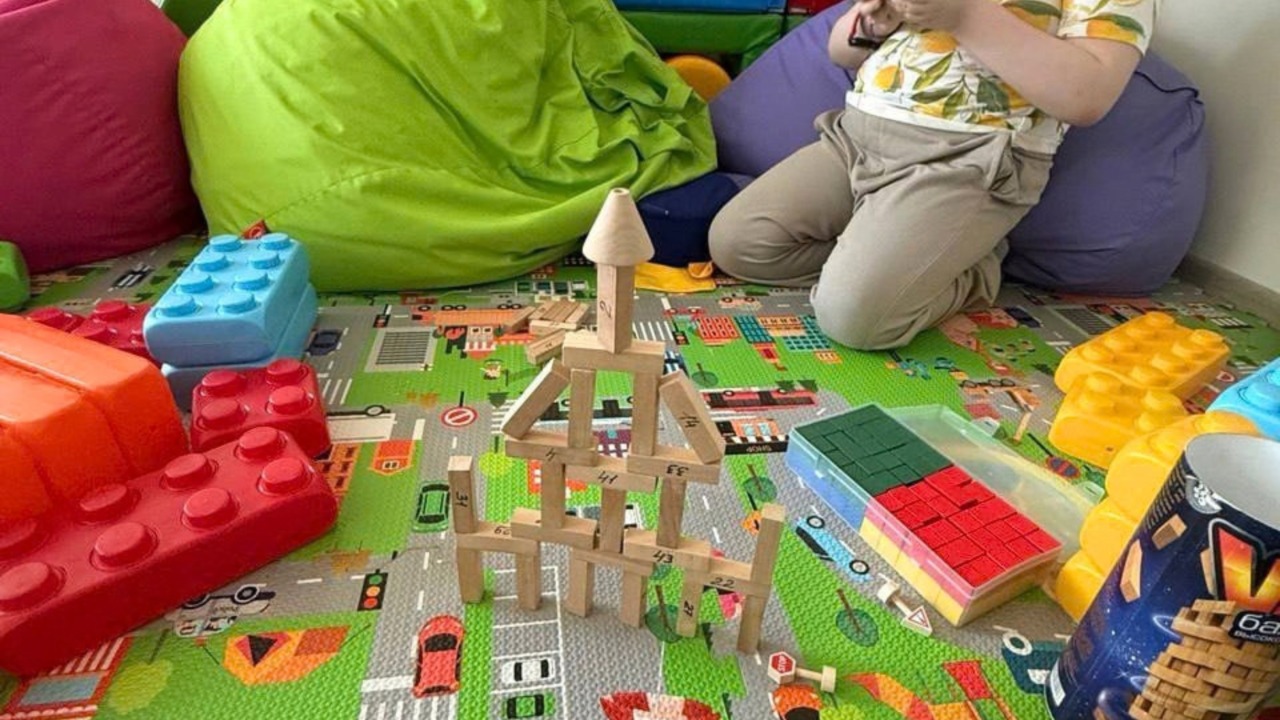
As part of ZDOROVI’s support, four specialists from the Volyn Regional Center are undergoing specialized training in two areas.
Two specialists are learning to use the ADOS-2 diagnostic method — a structured assessment tool for evaluating social interaction, communication, and behavioral characteristics associated with ASD.
Two other specialists are undergoing comprehensive training in ABA therapy at the Ukrainian Institute for Applied Behavior Analysis (UIABA). The training lasts 19 months and provides practical tools for analyzing behavior, understanding its functions, developing necessary skills, using prompts, and gradually fostering the child’s independence.
These two approaches complement each other: ADOS-2 strengthens the diagnostic component of the work, while knowledge of ABA helps the team address the child’s behavior and develop their skills.
However, the importance of this support extends far beyond mastering specific techniques. For a healthcare facility, training its specialists is an investment in its own capacity. This knowledge remains within the team and can be applied when working with new patients, shared with colleagues, and integrated into the facility’s care system.
It is precisely this approach to supporting medical facilities that is important to ZDOROVI: not merely helping a facility obtain the necessary equipment or services today, but strengthening its ability to independently meet patients’ needs in the future.
At the Volyn Center, they emphasize that the main change they expect from the training is not simply the acquisition of new professional tools. It is about a shift in perspective.
A multidisciplinary team works here: child psychiatrists, clinical psychologists, a physician-psychologist, and social workers. Separate offices are equipped for individual work, and there is a spacious room for group sessions, which is also used when working with children who have difficulty being in small spaces.
The center conducts group and art therapy sessions, works with parents, and promotes a “peer-to-peer” approach involving parents of children with ASD.
A key advantage is the ability to receive various types of care within a single medical facility. In particular, patients can take advantage of the services offered by the “Phoenix” Comprehensive Rehabilitation Center, which combines occupational therapy, physical therapy, psychiatric care, and hippotherapy. If necessary, they can also consult a specialist without disrupting the environment the child is already familiar with.
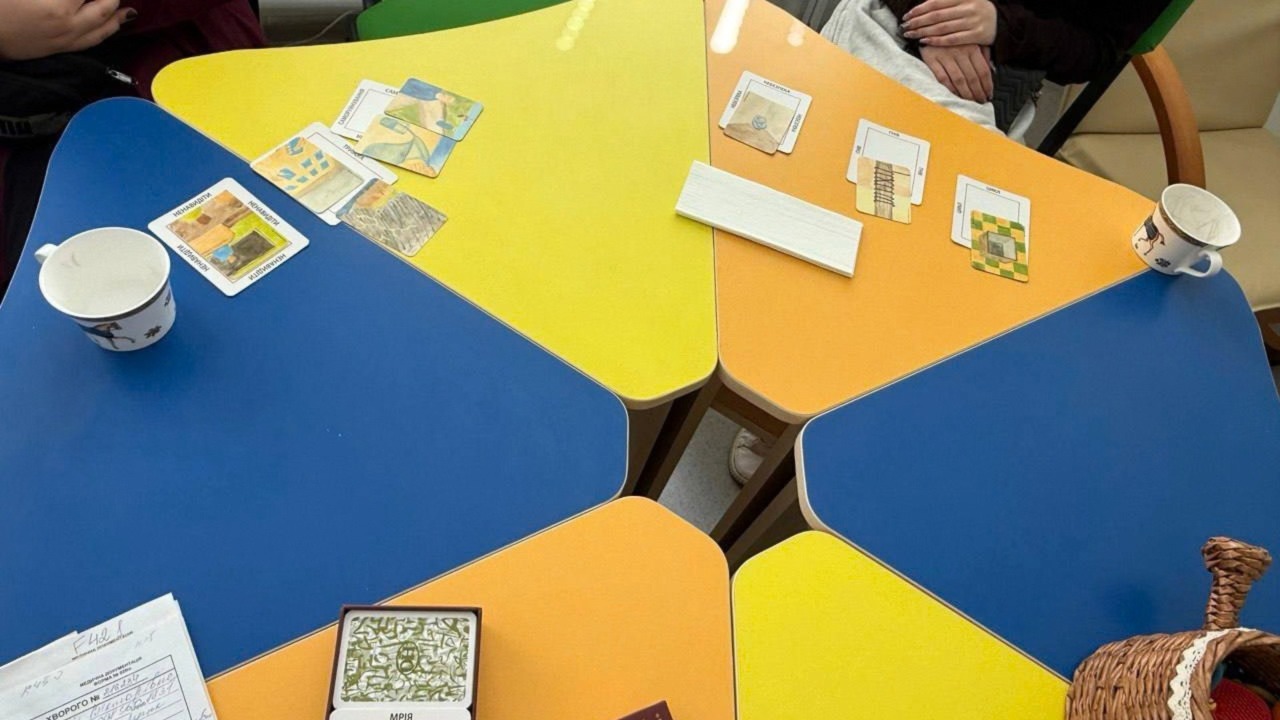
The next step will be to set up a sensory room, the equipment for which is also supported by ZDOROVI.
This creates not just a standalone service for children with ASD, but an entire system in which the space, specialists, treatment methods, and interaction with the family all work together.
The true value of this approach is best seen not in a list of services, but in the experiences of families.
Hanna M. is raising two sons with ASD, ages 14 and 11. Her family turned to the Mental Health Center after a period marked by developmental challenges, cyberbullying, signs of depression, self-harm, stress from moving, and changes in the children’s behavior.
At first, one of her sons began working with a clinical psychologist. Later, the other son was also brought to the Center.
“It was the support and understanding of the center’s specialists that helped not only our children but our entire family feel supported and breathe deeply once again, with the confidence that ‘everything will be okay,’” says the mother.
According to her, during their time working with the specialists, the children have come to better understand their own unique traits and manage their emotional states. Self-harm has decreased, their sensory skills and body control have improved, and it has become easier for them to organize their studies and personal time, perform hygiene routines, and communicate with adults.
The mother also notes changes that occurred after the center’s specialists introduced a new training program: the children began to express their thoughts differently and show more initiative.
“When the children leave the center happy, motivated, and confident in themselves — and call the center ‘a second home’ — we, as parents, are reminded every time of how it all began,” says Hanna.
The story of the Volyn Center illustrates why developing the professional competencies of healthcare providers is a vital part of supporting healthcare facilities.
Training doesn’t change the situation overnight. But it lays the groundwork for systemic change: specialists gain new knowledge and practical tools, the facility gains additional expertise within its team, and patients have more opportunities to receive care tailored to their needs.
This is especially important for children with ASD. After all, the quality of care begins not only with equipment or a treatment room. It begins with a specialist who knows how to see a need behind behavior, an opportunity for growth behind challenges, and a specific child behind a diagnosis.
That is why ZDOROVI supports not only the material needs of medical facilities but also the professional development of the people who work with patients every day. Because when the team grows stronger, so does the facility itself. And as a result, more children and their families can receive the help they need.
The project is implemented with the support of GlobalGiving.
© 2026 zdorovi. all rights reserved.
контакти
strategy@zdorovi.agency
+380508000924 - контакт-центр фонду
Адреса: 01014, м. Київ, вул. Звіринецька, 63, офіс 1
website by WHYER.AGENCY